UK Gas & Piping Compliance in 2026: What You Need to Know About BS EN 331 & BS EN 1555
Gas and industrial piping compliance in the UK continues to tighten in 2026, with increased scrutiny on component certification, material traceability, and installation standards. Two standards that frequently appear in specifications and procurement documents are BS EN 331 (gas shut-off valves) and BS EN 1555 (plastic piping systems for gas supply).
For engineers, contractors, and procurement teams, understanding how these standards apply — and where compliance risks often arise — is essential for avoiding delays, rejected installations, or regulatory issues.
BS EN 331: GAS SHUT-OFF VALVES EXPLAINED
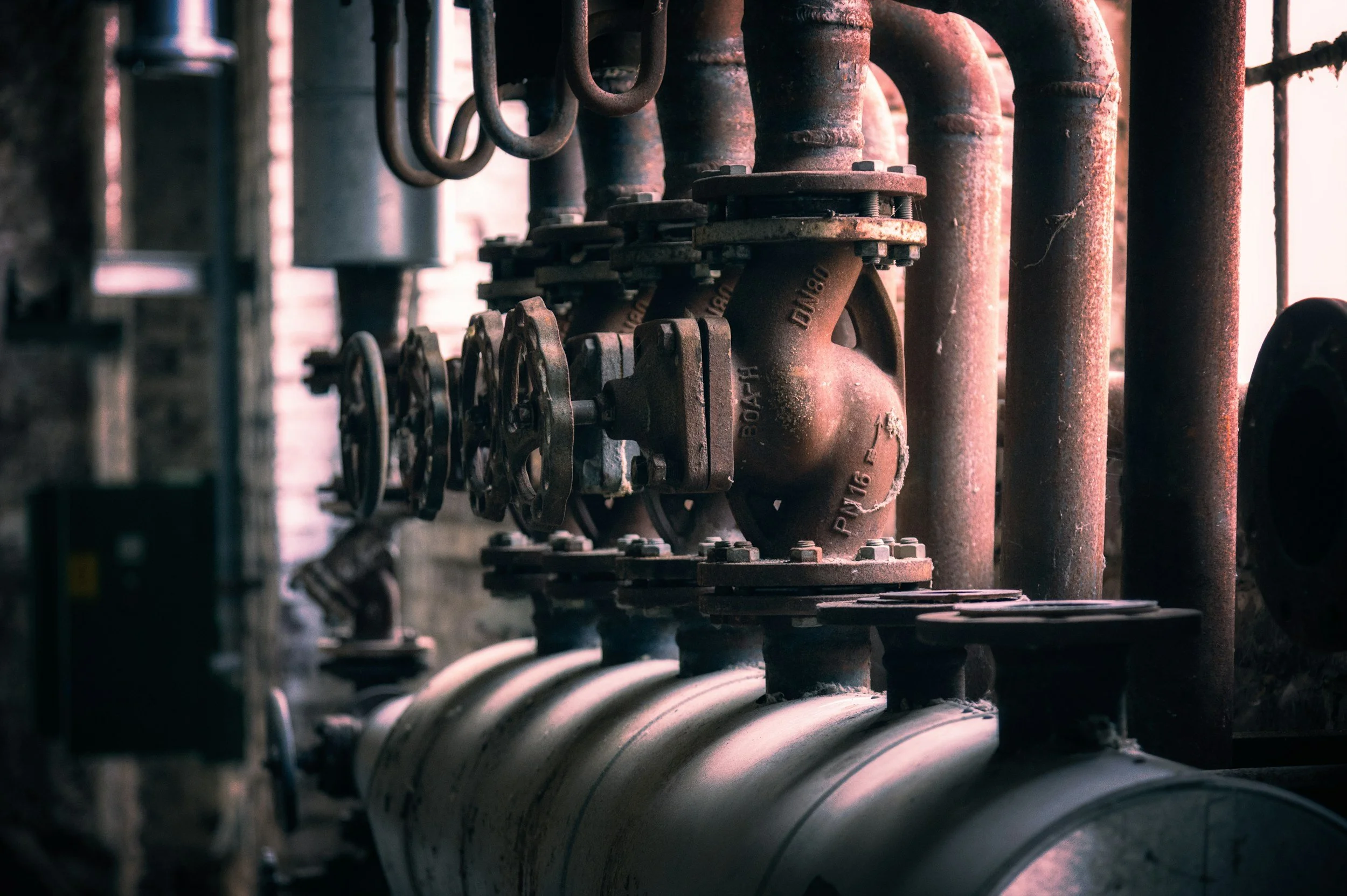
BS EN 331 applies to manually operated ball valves and closed-bottom taper plug valves used in gas installations within buildings.
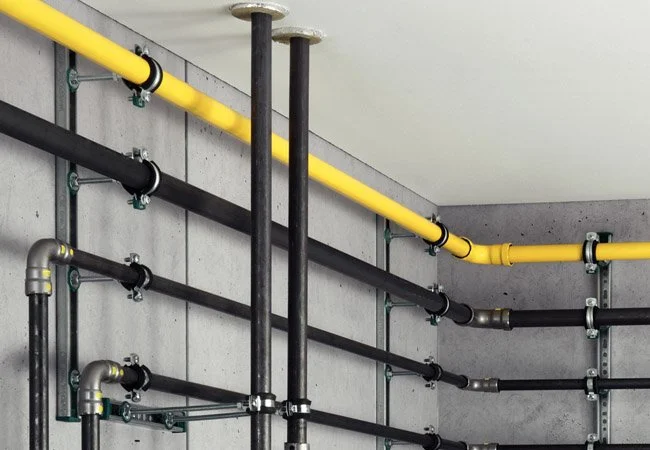
It defines requirements for:
• Mechanical strength
• Tightness and leakage limits
• Endurance testing
• Temperature performance
• Marking and identification
In practical terms, this standard ensures that gas isolation valves installed in domestic, commercial, and light industrial systems meet minimum safety and durability thresholds.
In 2026, inspectors are paying closer attention to proper marking and traceability. Valves must clearly indicate compliance, pressure ratings, and manufacturer details. Generic or poorly documented imports are increasingly being flagged during audits.
BS EN 1555: POLYETHYLENE (PE) GAS PIPEWORK
BS EN 1555 covers polyethylene piping systems used for gas distribution.
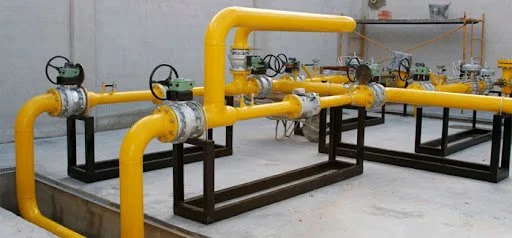
It specifies requirements for:
• Pipe dimensions and tolerances
• Pressure ratings
• Jointing methods
• Material properties
• Long-term strength performance
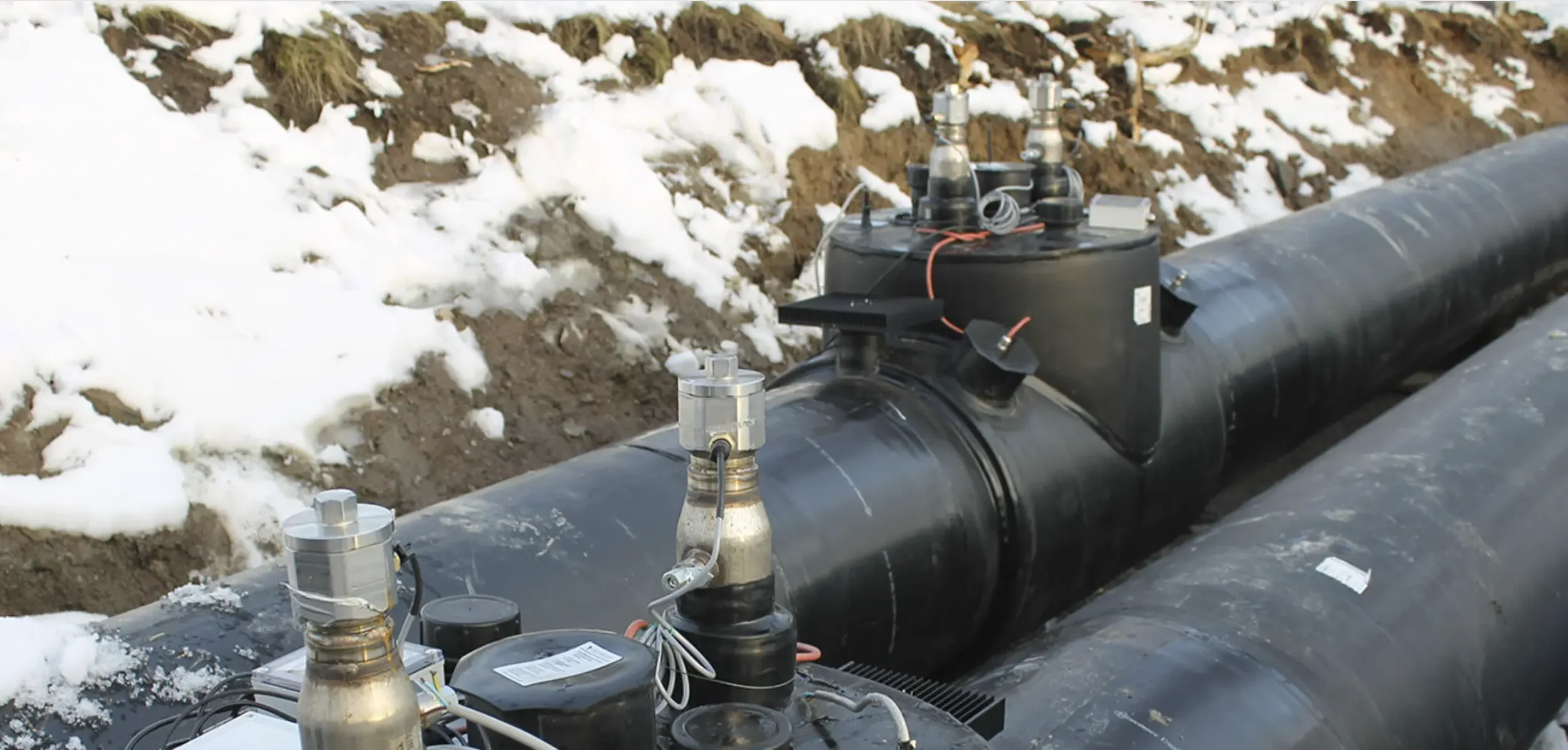
PE gas pipe is widely used in underground gas networks due to its corrosion resistance and flexibility. However, correct specification is essential — particularly regarding pressure class, SDR rating, and fusion joint quality.
There is growing emphasis on installer competence and proper documentation of butt fusion and electrofusion joints. Poor fusion quality remains a common failure point in gas infrastructure.
COMPATIBILITY BETWEEN VALVES & PIPE SYSTEMS
One recurring issue in gas installations is compatibility between metal valves and plastic pipe systems.
Engineers must consider:
• Transition fittings
• End connection types
• Pressure rating alignment
• Thermal expansion differences
A valve may comply with BS EN 331, but if improperly integrated into a BS EN 1555 pipe system, performance risks increase. In 2026, cross-checking component compatibility early in design is becoming standard best practice.
INCREASED FOCUS ON DOCUMENTATION & TRACEABILITY
Gas compliance in the UK is not just about product conformity — it is about documentation.

Project stakeholders are increasingly requiring:
• Declaration of Performance (DoP)
• CE or UKCA marking
• Batch traceability
• Installation certification records
With digital compliance platforms becoming more common, missing paperwork can delay commissioning even if hardware meets technical requirements.
In regulated gas systems, paperwork is as important as performance.
COMMON SPECIFICATION MISTAKES TO AVOID
In 2026, common compliance pitfalls include:
• Assuming EN compliance without verifying revision year
• Mismatching valve pressure ratings with pipe SDR ratings
• Failing to specify temperature class correctly
• Overlooking marking and identification requirements
• Not confirming UKCA marking post-Brexit
Engineers writing specifications should clearly reference the full standard designation (e.g., BS EN 331: latest edition) rather than generic descriptions such as “gas approved valve.”
Gas and piping compliance in the UK continues to evolve alongside infrastructure upgrades and regulatory expectations. BS EN 331 and BS EN 1555 remain central to safe gas distribution systems, but the industry is placing greater emphasis on traceability, compatibility, and installation quality.
In 2026, compliance is no longer a box-ticking exercise — it is a comprehensive process covering product selection, integration, documentation, and verification.
For engineers and contractors, understanding these standards in practical terms reduces risk, improves project delivery, and ensures long-term system integrity.