Rotork Unveils RTP-4000 Intelligent Valve Positioner Range — What You Need to Know
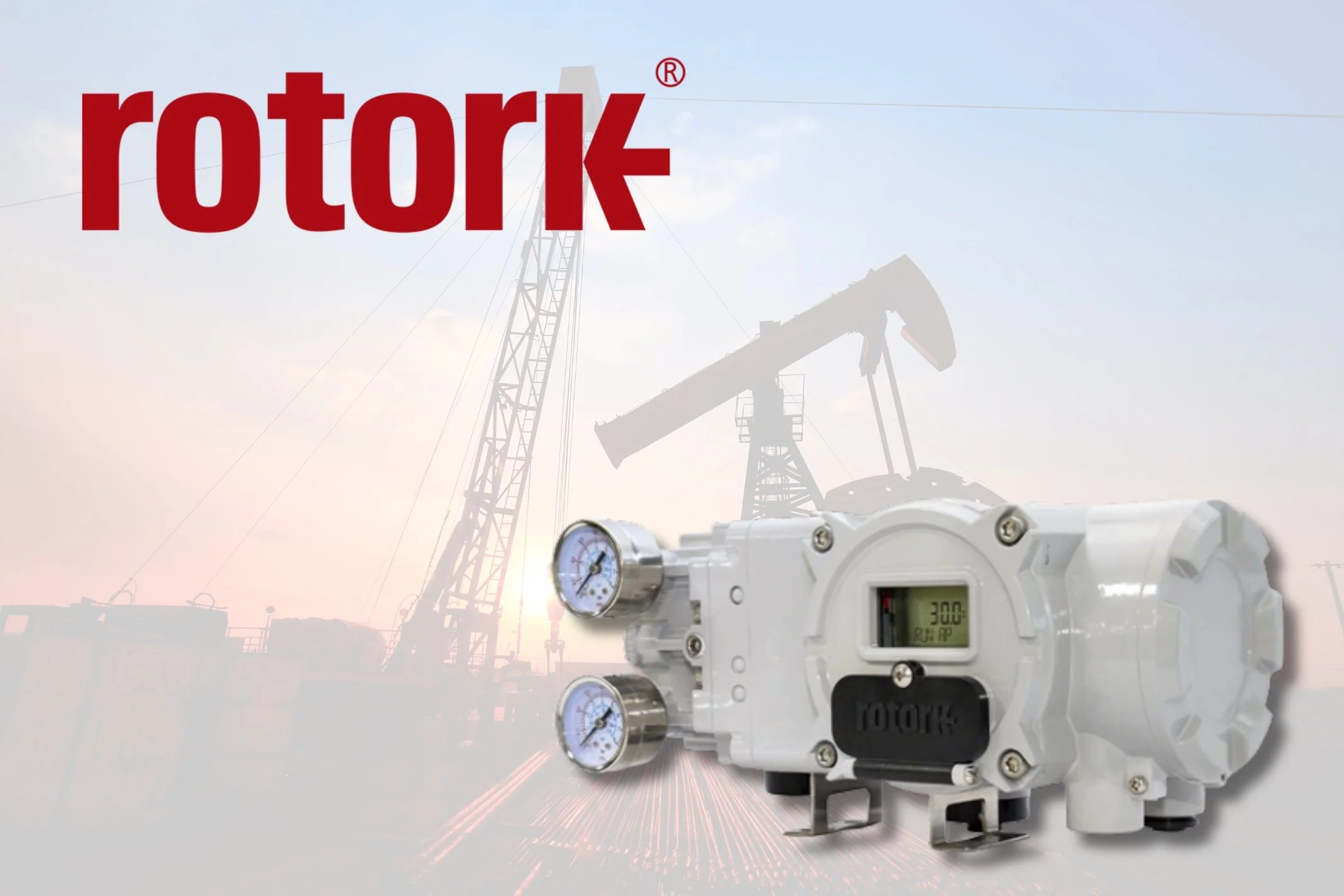
Rotork has introduced the new RTP-4000 intelligent valve positioner range, marking a significant step forward in smart actuation and control valve performance. Designed to enhance accuracy, diagnostics, and long-term reliability, the RTP-4000 series reflects a wider industry shift toward digitally enabled, data-driven process control.
For engineers, specifiers, and plant operators, understanding what this new generation of positioners offers — and how it differs from previous models — is critical when designing or upgrading control systems in 2026.
WHAT IS THE RTP-4000 INTELLIGENT VALVE POSITIONER?
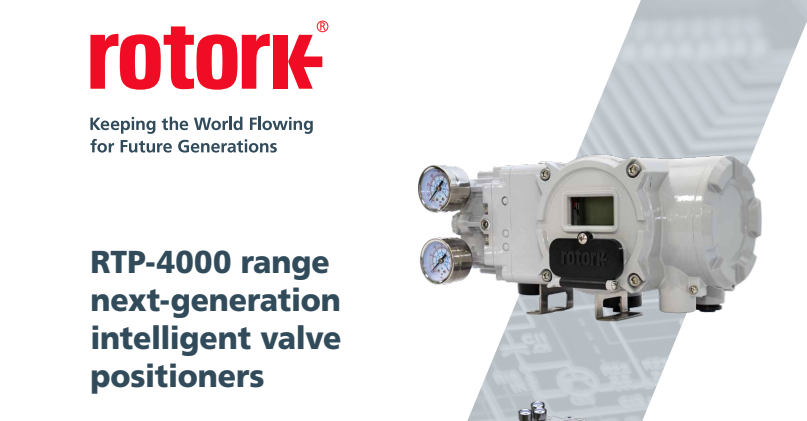
The RTP-4000 is a smart valve positioner engineered to provide precise valve positioning, advanced diagnostics, and digital communication capability across a wide range of industrial applications.
As with any positioner, its primary function is to ensure the valve stem reaches and maintains the exact position required based on a control signal. However, modern intelligent positioners go far beyond simple positioning.
Key highlights of the RTP-4000 include:
• High positioning accuracy and repeatability
• Advanced onboard diagnostics
• Digital communication compatibility
• Enhanced reliability in harsh environments
• Simplified commissioning and calibration
This positions the RTP-4000 as a next-generation upgrade for facilities looking to improve performance visibility and reduce maintenance intervention.
WHY INTELLIGENT POSITIONERS MATTER IN 2026
Control valves sit at the heart of process stability. Poor valve positioning can lead to oscillation, inefficiency, and product inconsistency. Intelligent positioners like the RTP-4000 address these challenges by delivering:
• Real-time performance monitoring
• Early detection of valve wear or sticking
• Improved response time
• Reduced process variability
With increasing pressure on plants to reduce downtime and improve efficiency, smart positioners are no longer optional upgrades — they are becoming standard practice in energy, water, chemical, and manufacturing facilities.
DIGITAL COMMUNICATION & DIAGNOSTICS
One of the defining features of the RTP-4000 is its ability to integrate with modern digital control systems.
In 2026, plants are demanding greater visibility into asset health.
Intelligent positioners now support:
• Detailed valve travel analysis
• Friction monitoring
• Cycle counting
• Predictive maintenance insights
This means maintenance teams can identify issues before failure occurs, rather than reacting after performance degrades.
For specifiers, this capability translates into lower lifecycle costs and improved reliability forecasting.
DESIGN CONSIDERATIONS FOR SPECIFIERS
When evaluating the RTP-4000 for projects, specifiers should assess:
• Compatibility with existing actuators
• Communication protocol alignment with PLC/SCADA
• Environmental protection rating (IP classification)
• Fail-safe and safety requirements
• Hazardous area certification where applicable
Integration is key. A smart positioner is only as effective as its compatibility with the wider control architecture.
Additionally, commissioning simplicity can significantly reduce installation time — an increasingly important factor on time-sensitive projects.
WHO BENEFITS MOST FROM THE RTP-4000?

The new RTP-4000 range is particularly relevant for:
• Oil & gas processing facilities
• Water and wastewater treatment plants
• Power generation stations
• Chemical processing plants
• Industrial manufacturing environments
In these sectors, control accuracy, uptime, and diagnostic visibility directly affect operational performance.
Rotork’s RTP-4000 intelligent valve positioner represents a clear evolution in control valve technology. By combining precise positioning with enhanced diagnostics and digital integration, it aligns with the broader move toward smart, connected industrial infrastructure.
For specifiers in 2026, the question is no longer whether to adopt intelligent positioners — it is how to integrate them effectively into modern control strategies.
As automation continues to advance, solutions like the RTP-4000 will play a central role in delivering greater efficiency, reliability, and data transparency across process industries.