Resideo’s New Linear Valve Actuator Targets Building Management System Efficiency
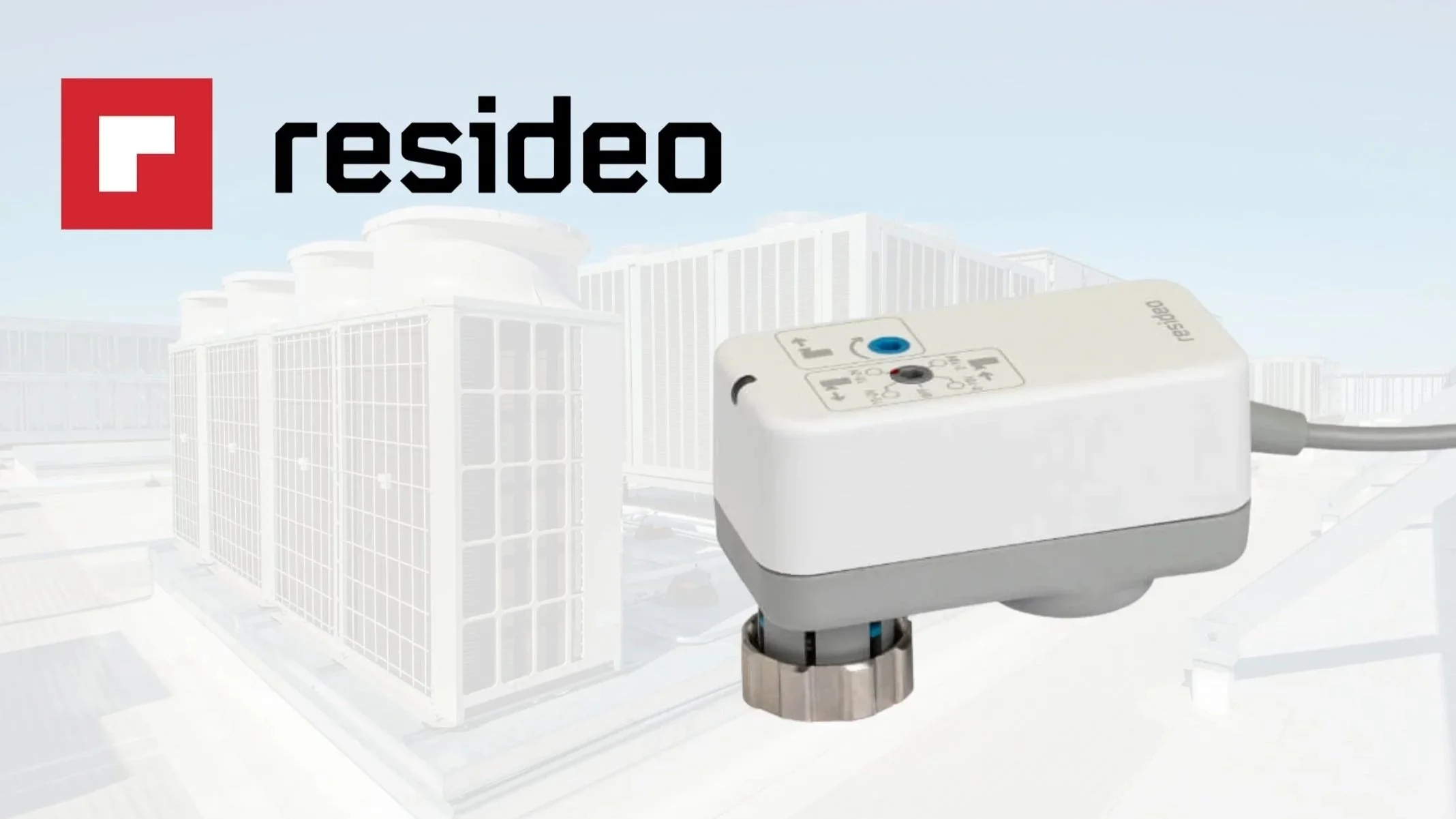
Resideo has introduced a new linear valve actuator designed specifically for HVAC and Building Management System (BMS) applications, reinforcing the growing demand for smarter, more energy-efficient water management in commercial buildings.
As pressure increases to improve sustainability, reduce energy consumption, and optimise climate control performance, actuators are playing a more strategic role in modern building infrastructure. This launch reflects a broader shift toward precise hydronic control, simplified commissioning, and seamless BMS integration.
WHAT IS A LINEAR VALVE ACTUATOR IN HVAC SYSTEMS?
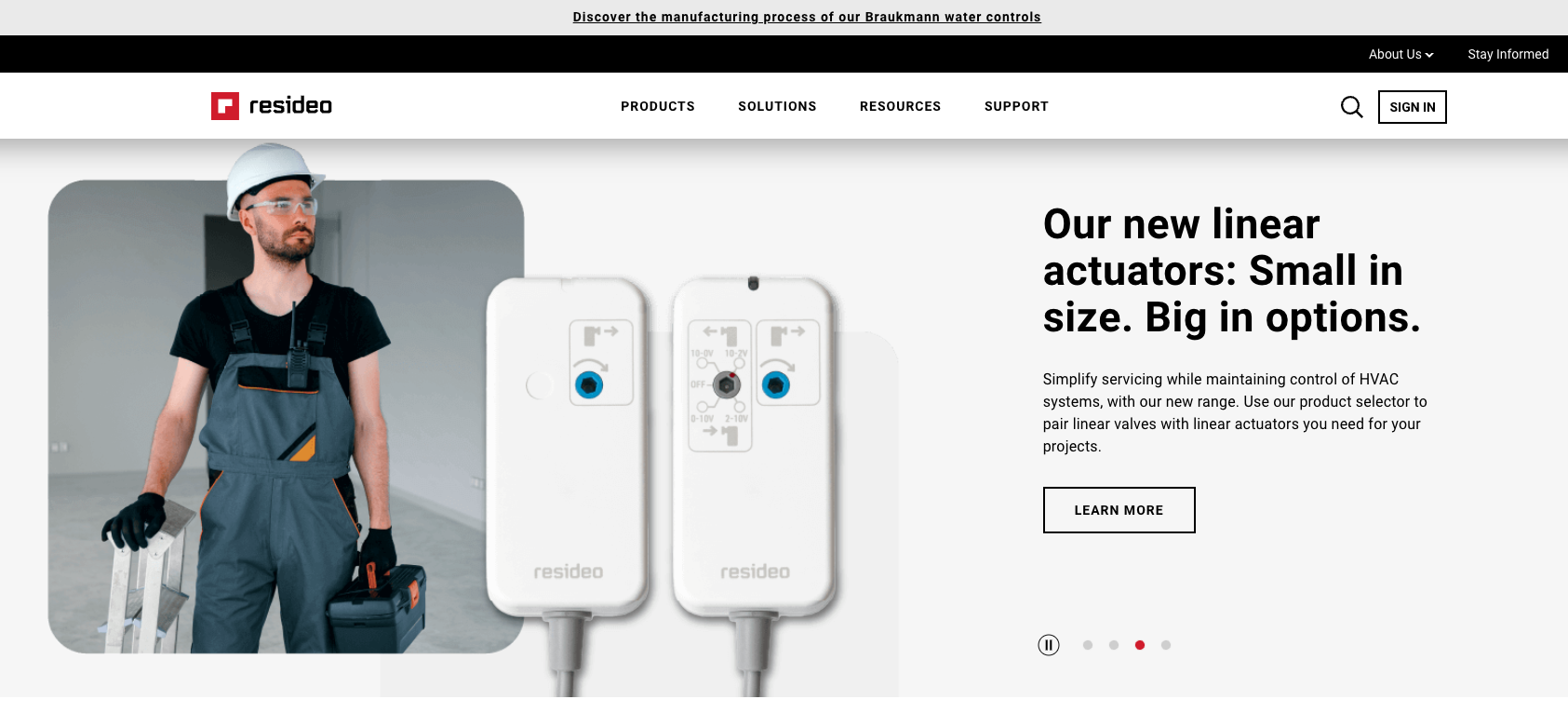
A linear valve actuator is a device that converts electrical signals into controlled linear motion to open, close, or modulate a valve.

In HVAC systems, these actuators are typically paired with globe or control valves to regulate:
• Chilled water flow
• Heating water circuits
• District heating interfaces
• Air handling unit coil control
• Fan coil unit applications
Unlike simple on/off devices, modern linear actuators are built for modulating control, allowing buildings to maintain precise temperature stability and improved comfort levels.
KEY FEATURES OF RESIDEO’S NEW ACTUATOR
While traditional HVAC actuators focus purely on mechanical movement, this latest release emphasises efficiency and integration.
Notable design considerations include:
• Compact footprint for tight plant room spaces
• Smooth and accurate stroke control
• Compatibility with common BMS signal inputs
• Energy-efficient motor operation
• Simplified mounting and commissioning
In today’s building environments, ease of integration is critical. The actuator must communicate clearly with digital control systems while maintaining mechanical reliability.
WHY BMS INTEGRATION MATTERS IN 2026
Modern buildings are increasingly managed through centralised BMS platforms that monitor and adjust temperature, humidity, airflow, and energy usage in real time.
Actuators like this are essential because they:
• Translate BMS signals into physical valve movement
• Ensure consistent hydronic balance
• Reduce energy waste through precise modulation
• Support zoning and demand-based control strategies
With rising energy costs and stricter building regulations, property managers are looking for components that contribute directly to lower operating costs and improved environmental performance.
ENERGY EFFICIENCY & HYDRONIC CONTROL
Hydronic systems rely on accurate flow control to deliver heating and cooling efficiently. Oversized or poorly controlled actuators can cause instability, leading to temperature swings and wasted energy.
The new Resideo actuator is positioned to address:
• Improved valve positioning accuracy
• Reduced overshoot in temperature control
• Lower standby energy consumption
• Extended equipment lifespan through smoother operation
In HVAC systems, small improvements in control accuracy can translate into significant long-term energy savings.
INSTALLATION & SPECIFICATION CONSIDERATIONS
For specifiers and contractors evaluating this new actuator, key points to assess include:
• Stroke length compatibility with selected valve
• Control signal type (e.g., 0–10V, floating control)
• Power supply requirements
• Fail-safe positioning needs
• Environmental protection rating
Commissioning efficiency is increasingly important in commercial projects. Actuators that allow quick calibration and minimal setup time can reduce installation labour costs.
WHO BENEFITS MOST FROM THIS LAUNCH?
The new linear actuator is particularly relevant for:
• Commercial office buildings
• Healthcare facilities
• Hotels and hospitality venues
• Educational institutions
• District heating systems
In all these environments, reliable modulation and BMS integration directly influence occupant comfort and operational efficiency.
Resideo’s new linear valve actuator highlights how even seemingly simple components are evolving to meet modern building demands. In HVAC and water management systems, actuators are no longer passive mechanical devices — they are active contributors to energy performance and digital control strategies.
As buildings become smarter and sustainability targets tighten, precision control at the valve level becomes a defining factor in system efficiency.
For specifiers in 2026, actuator selection should consider not just movement, but integration, data compatibility, and lifecycle energy impact.