PVF Industry Consolidation in 2026: What It Means for Pipe, Valve & Fitting Supply Chains

The Pipe, Valve and Fitting (PVF) sector is seeing continued consolidation in 2026, with distributors merging, regional suppliers being acquired, and larger industrial groups expanding their product portfolios. While mergers and acquisitions are not new in the PVF space, the pace and strategic intent behind recent activity is reshaping how projects are sourced, stocked, and delivered.
For engineers, procurement teams, and manufacturers, consolidation affects more than branding — it influences lead times, stock availability, pricing power, and technical support capability.
WHY CONSOLIDATION IS HAPPENING
Several key drivers are accelerating consolidation across the PVF market:
• Supply chain disruption over recent years
• Increased raw material volatility
• Demand for digital ordering platforms
• Pressure on smaller independent distributors
• Large infrastructure and energy projects requiring scale
Major distributors are seeking stronger purchasing power and broader geographic reach. By merging operations, companies aim to create centralised warehousing, improved logistics efficiency, and stronger supplier relationships.
IMPACT ON STOCK AVAILABILITY & LEAD TIMES
One of the most visible effects of consolidation is changes in inventory strategy.

Larger groups often move toward:
• Regional distribution hubs
• Integrated stock visibility systems
• Wider but more centralised product ranges
For buyers, this can mean improved access to specialist items such as large diameter flanges, high-pressure valves, and exotic alloy fittings. However, it may also reduce local branch-level flexibility.
In project-driven sectors such as oil & gas or water treatment, procurement teams are increasingly evaluating suppliers based on logistics reliability and digital stock transparency, not just unit price.
E-COMMERCE & DIGITAL TRANSFORMATION
Consolidation is also accelerating investment in digital platforms. Larger PVF groups are rolling out:
• Online ordering portals
• Real-time stock tracking
• Technical document libraries
• Integrated certification downloads
For contractors and engineers, access to instant datasheets, material certificates, and pressure ratings is becoming an expectation rather than a luxury.
Digital maturity is quickly becoming a differentiator in the PVF sector.
WHAT THIS MEANS FOR VALVE & FLANGE MANUFACTURERS

Manufacturers supplying distributors must adapt to:
• Centralised procurement departments
• Stricter vendor qualification processes
• Higher volume but fewer distribution partners
• Increased emphasis on compliance documentation
While consolidation can reduce the number of independent outlets, it can also create stronger strategic partnerships for manufacturers that align with larger groups.
The ability to offer traceability, consistent lead times, and competitive logistics support is increasingly important.
RISKS & OPPORTUNITIES FOR BUYERS
For procurement professionals, consolidation presents both benefits and challenges.
Opportunities include:
• Broader product availability
• Stronger financial stability of suppliers
• Improved digital access to documentation
Risks include:
• Reduced price competition in certain regions
• Less flexibility for urgent or niche requirements
• Potential over-reliance on fewer suppliers
As a result, many organisations are adopting a dual strategy: partnering with large consolidated distributors for core supply, while maintaining relationships with specialist suppliers for niche or urgent items.
THE FUTURE OF PVF DISTRIBUTION

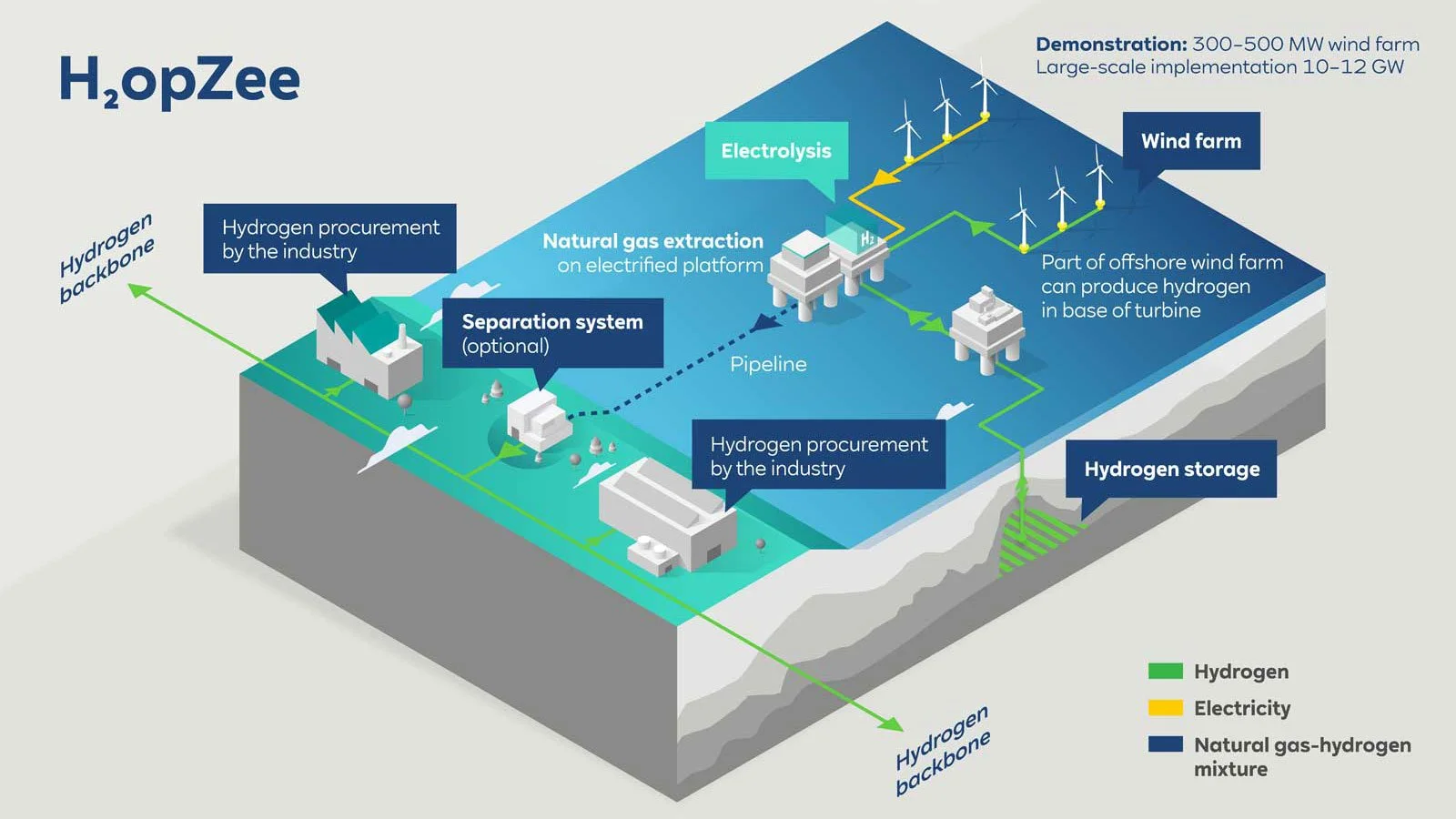
Looking ahead, consolidation is likely to continue, particularly as energy transition projects, hydrogen infrastructure, and large-scale water investments demand scale and reliability.
Future trends may include:
• Greater integration of automation components with PVF supply
• Smart inventory systems linked to predictive maintenance
• Stronger ESG reporting requirements within supply chains
The PVF industry is evolving from traditional stockholding toward data-driven, integrated supply networks.
PVF consolidation in 2026 is reshaping how pipe, valve, and fitting products are sourced and delivered. While it brings efficiencies, digital improvements, and stronger supplier networks, it also changes competitive dynamics and procurement strategies.
For engineers and buyers, understanding this shift is essential. In modern infrastructure projects, supply chain strategy is as important as technical specification.