Flange Market Outlook 2025–2034: Smart Connectivity, Advanced Materials & Infrastructure Growth

The global flange market is entering a new phase of transformation. While flanges have traditionally been seen as static mechanical components, the period from 2025 to 2034 is expected to reshape how they are specified, manufactured, and monitored.
Driven by energy transition projects, infrastructure investment, and digitalisation across industrial sectors, flanges are becoming part of a broader ecosystem focused on safety, efficiency, and predictive maintenance. This article explores the key trends influencing the next decade.
INFRASTRUCTURE EXPANSION DRIVING DEMAND
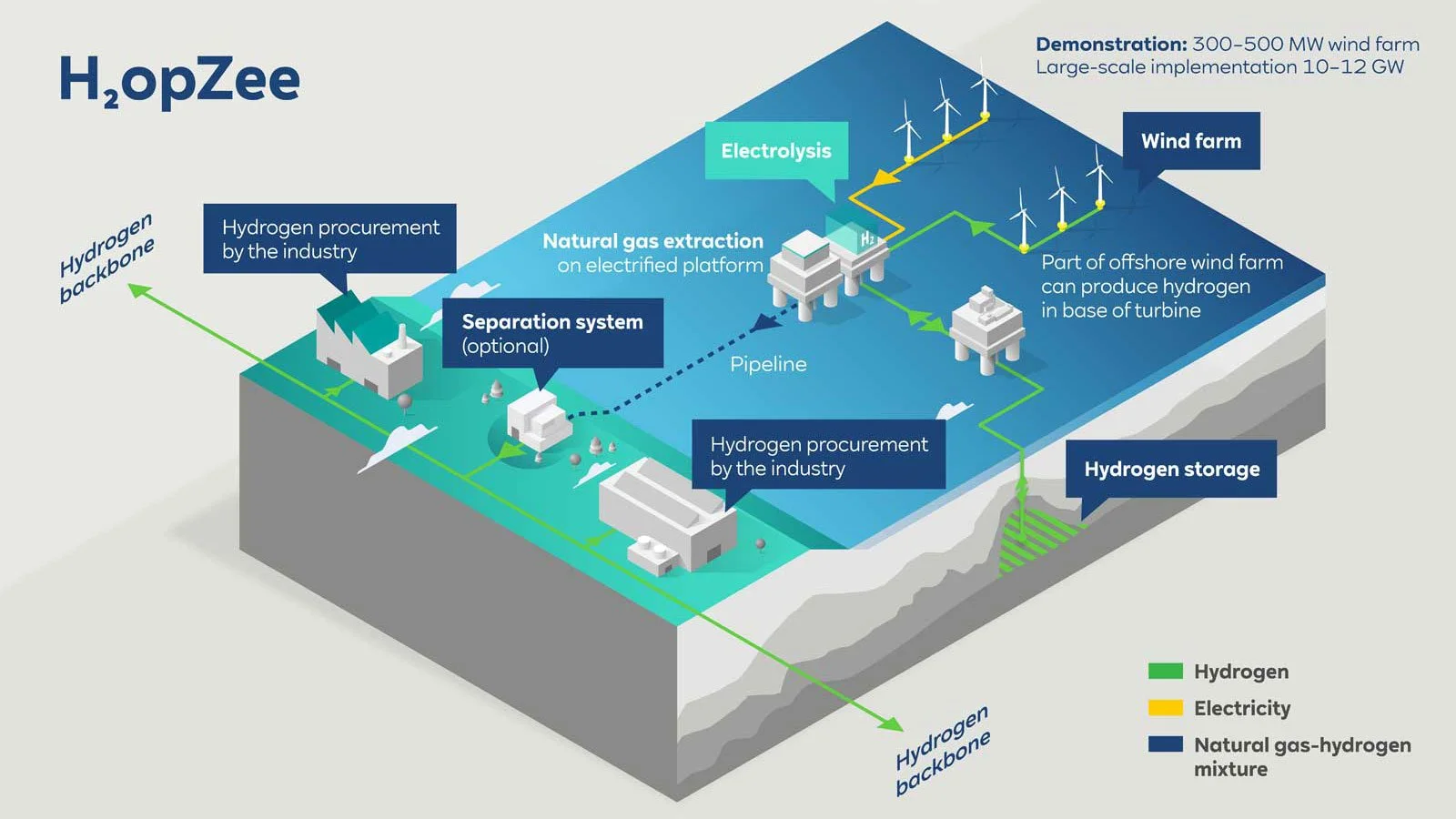
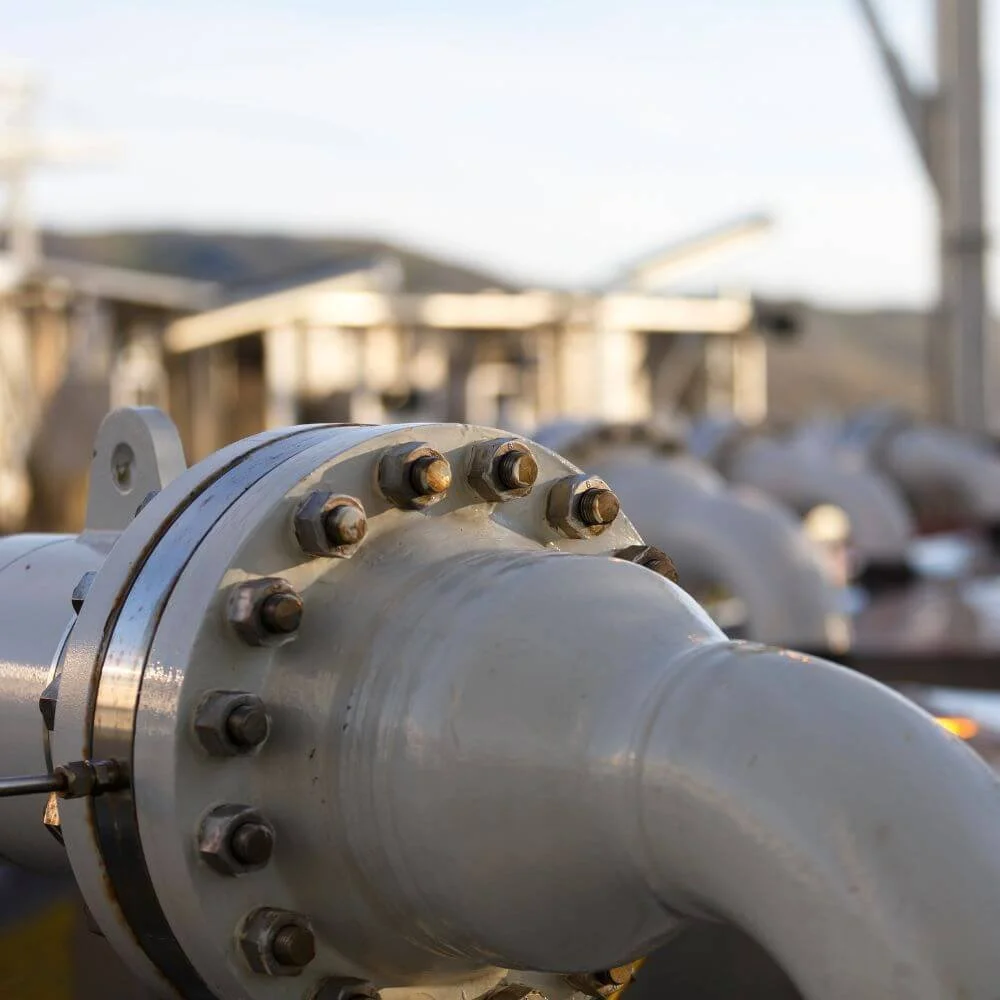
Major infrastructure investments across oil & gas, hydrogen, carbon capture, LNG, water treatment, and power generation are sustaining demand for pressure-rated flanged connections.
Growth drivers include:
• Pipeline expansion and refurbishment
• LNG export and import terminals
• Renewable energy integration
• Hydrogen-ready infrastructure
• Municipal water and wastewater upgrades
Flanges remain essential in these projects because they provide reliable, removable pressure connections that allow maintenance and system modification over time.
As aging infrastructure is replaced or upgraded, demand is increasingly focused on higher integrity materials and stricter compliance standards.
ADVANCED MATERIALS FOR EXTREME CONDITIONS
One of the strongest trends between 2025 and 2034 is the growing use of advanced alloys and corrosion-resistant materials.
Sectors such as offshore oil & gas, desalination, and hydrogen processing are driving interest in:
• Duplex and super duplex stainless steels
• High-performance nickel alloys
• Low-temperature carbon steels for cryogenic service
• Coated and clad flange solutions
Material selection is becoming more critical as systems operate under higher pressures, aggressive media, and more demanding temperature cycles. Engineers are increasingly specifying flanges not just for pressure class, but for long-term corrosion performance and lifecycle cost efficiency.
SMART FLANGES & CONDITION MONITORING
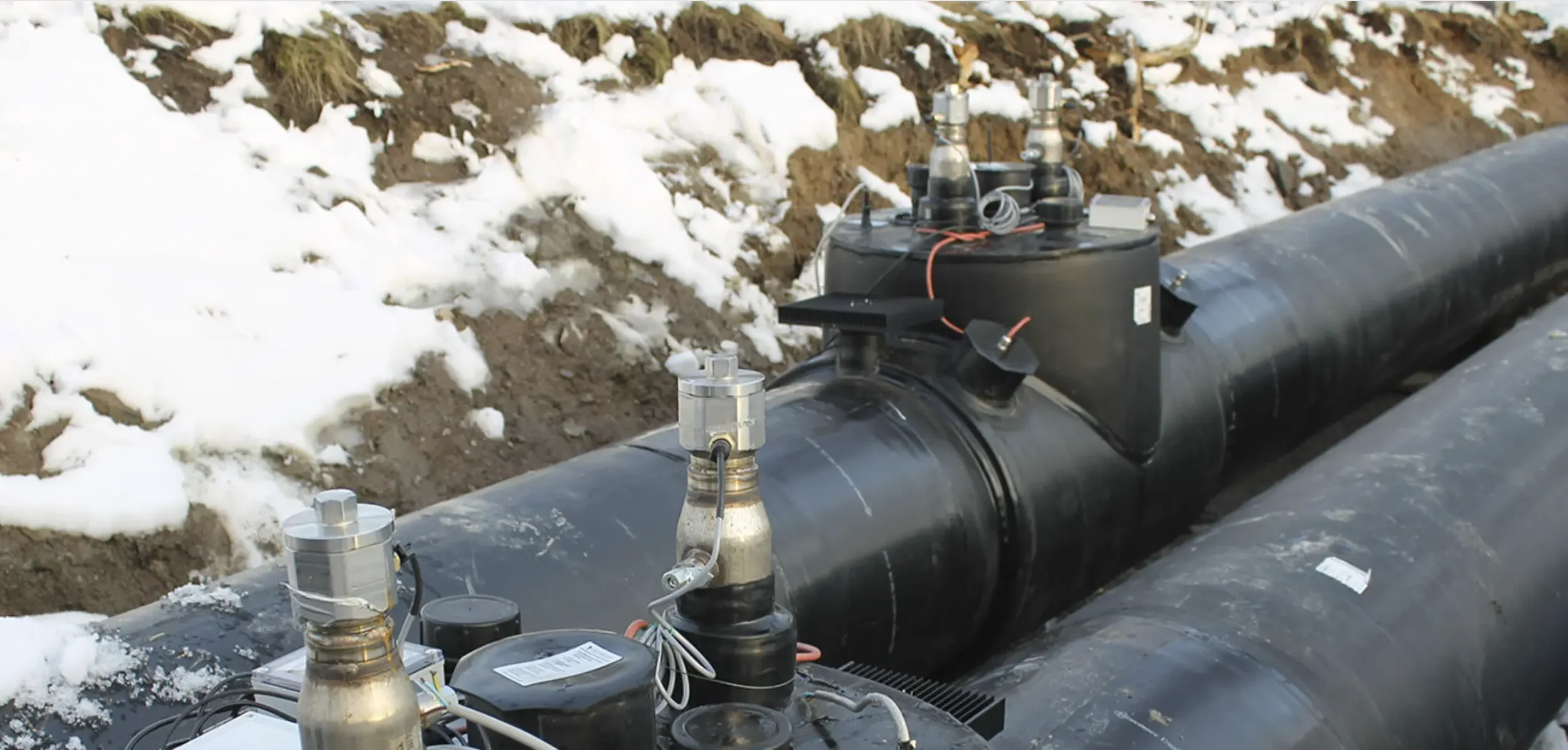
Perhaps the most notable evolution is the introduction of smart flange monitoring technologies.
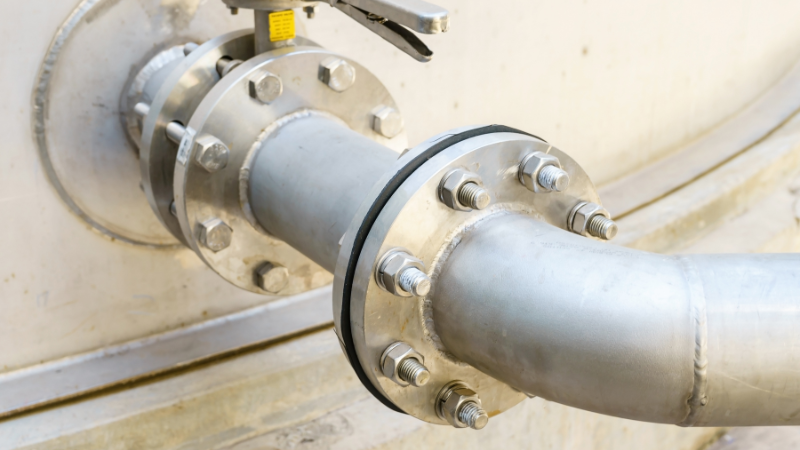
While ASME and ANSI standards still govern geometry and pressure class, innovation is occurring around installation and maintenance.
Emerging developments include:
• Bolt load monitoring systems
• Torque verification technology
• Leak detection sensors integrated at flange joints
• Wireless monitoring for remote sites
These technologies allow operators to detect loosening, leakage risk, and gasket degradation before failure occurs. In high-risk sectors, this supports predictive maintenance strategies and reduces unplanned shutdowns.
Flanges are no longer just passive components — they are becoming monitored assets within digital maintenance frameworks.
ENERGY TRANSITION & HYDROGEN IMPACT
Hydrogen infrastructure is influencing flange design considerations significantly. Hydrogen molecules are smaller and can permeate materials differently compared to traditional hydrocarbons.
As a result, the industry is placing greater focus on:
• Material compatibility testing
• Seal integrity under cycling pressure
• Reduced fugitive emissions
• Tight tolerance machining
Hydrogen-ready systems demand exceptional sealing reliability, and flange specification is being scrutinised accordingly.
SUPPLY CHAIN & STANDARDISATION TRENDS
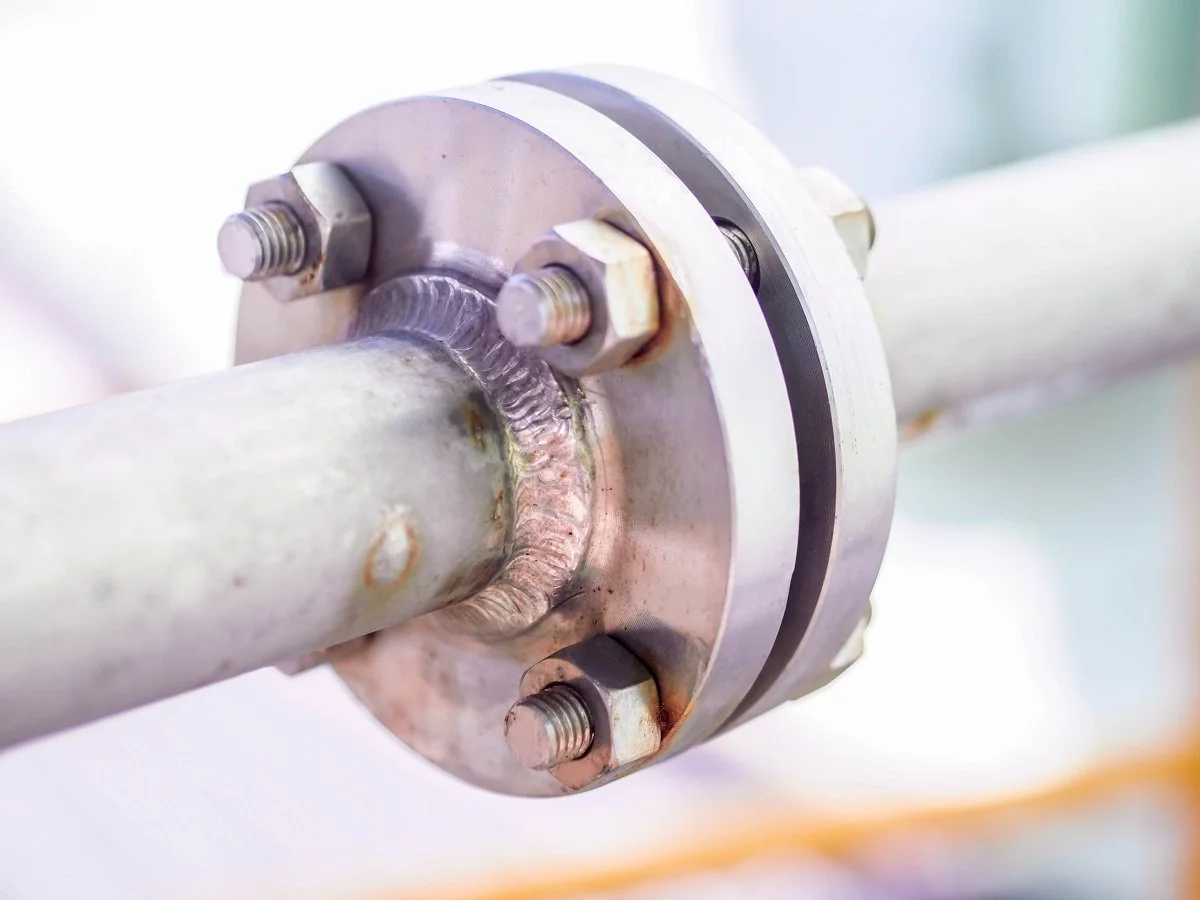
Global supply chain pressures have also shifted market behaviour.
Buyers are prioritising:
• Certified material traceability
• Shorter lead times
• Regional manufacturing capacity
• Alignment with ASME and EN standards
Standardisation across projects is becoming more important to simplify procurement and reduce risk. Compatibility between pressure classes, gasket standards, and bolt materials is being addressed earlier in project design.
Between 2025 and 2034, the flange market will continue to grow — but it will also become smarter, more material-focused, and more integrated with digital asset management systems.
From advanced alloys to bolt load monitoring, the humble flange is evolving beyond its traditional mechanical role. In modern industrial infrastructure, flange selection is now a strategic engineering decision tied to safety, compliance, and predictive maintenance.
As infrastructure investment accelerates and energy systems modernise, flanges will remain fundamental — but increasingly intelligent — components of global piping networks.