The Rise of Servo Valves: Why Precision Fluid Control Is Critical in Automation
Automation is evolving rapidly. Across aerospace, advanced manufacturing, robotics, and heavy industry, systems are becoming faster, lighter, and more digitally integrated. In this environment, precision fluid control is no longer a performance upgrade — it is a requirement.
At the centre of this shift is the servo valve. Once seen as a specialist component used primarily in aerospace, servo valves are now gaining wider adoption across high-performance industrial applications. Their ability to deliver ultra-accurate control of flow, pressure, and position makes them critical in modern automation systems.
WHAT IS A SERVO VALVE — AND WHY DOES IT MATTER?
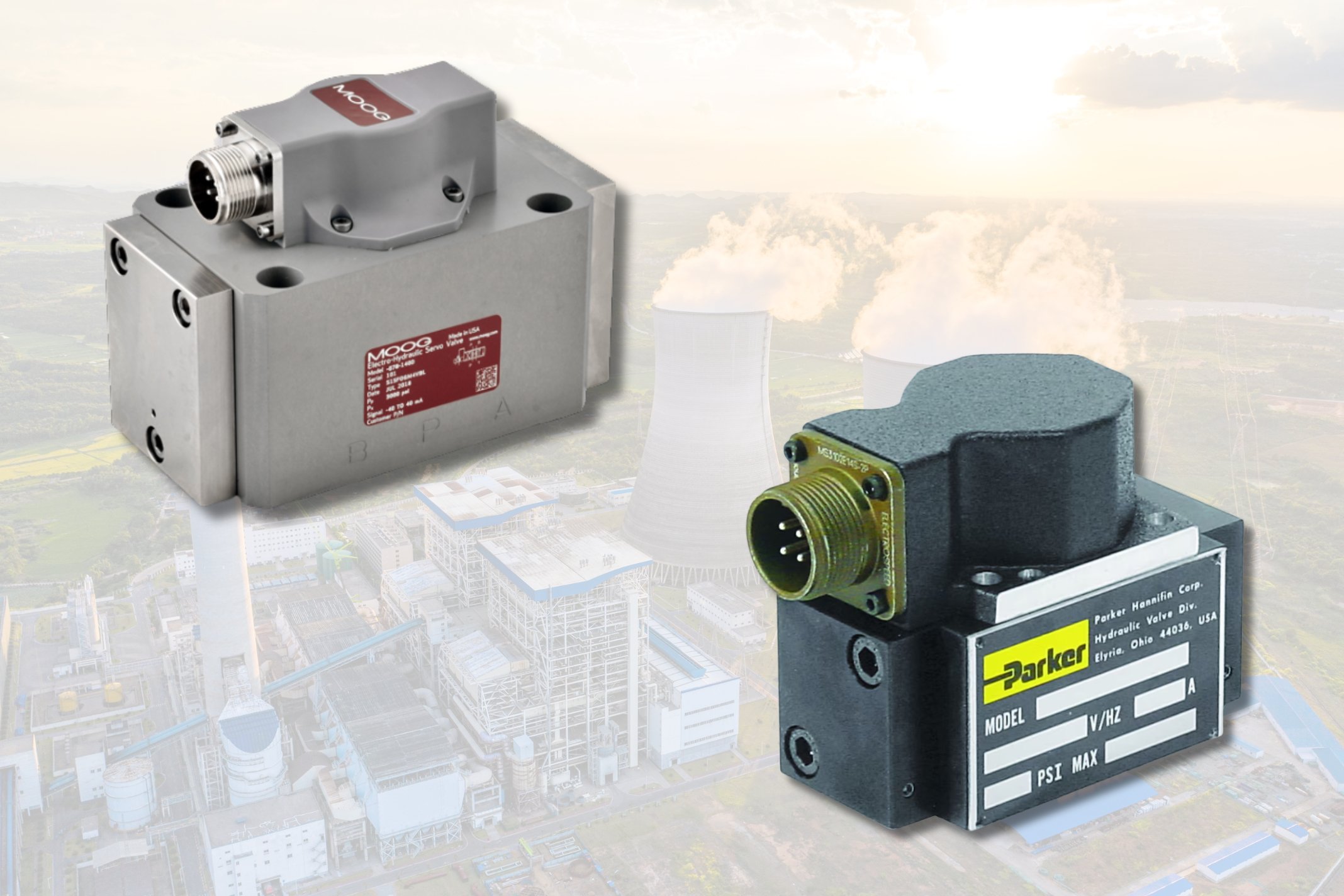
A servo valve is a high-precision hydraulic control valve that converts electrical input signals into accurately controlled fluid movement.
Unlike conventional solenoid or proportional valves, servo valves are designed for:
• Extremely fine flow modulation
• Rapid response times
• High repeatability
• Closed-loop control accuracy
In short, servo valves allow machines to move exactly how they are programmed — with minimal lag, overshoot, or instability.
In aerospace flight control systems, for example, even the smallest inaccuracy can have major consequences. That same demand for precision is now moving into advanced manufacturing environments.
WHY SERVO VALVE DEMAND IS GROWING
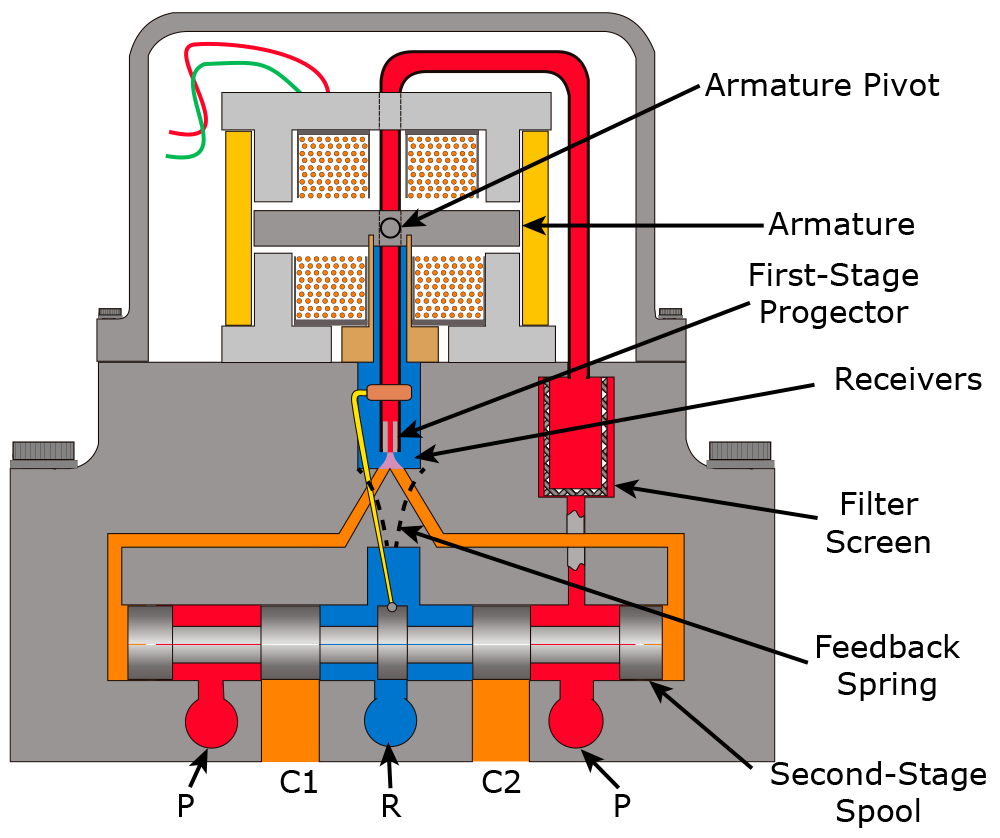
Several industry trends are driving adoption:
Advanced Automation
Modern machinery operates at higher speeds and tighter tolerances. Servo valves support this by delivering precise motion control under dynamic load conditions.Aerospace Expansion
Aircraft actuation systems, landing gear control, and flight surface positioning rely heavily on servo valve technology. As aerospace production scales, demand increases.Robotics & CNC Manufacturing
In high-performance CNC and robotic systems, hydraulic motion control must be consistent and accurate. Servo valves allow fine positioning even under fluctuating loads.
4. Electrification & Hybrid Systems
As industries move toward energy-efficient and hybrid hydraulic systems, precision control helps reduce waste and improve overall system efficiency.
WHAT MAKES SERVO VALVES DIFFERENT FROM PROPORTIONAL VALVES?
This is where many engineers pause.
Proportional valves offer good control — but servo valves operate at a different performance tier.
Key differences include:
• Higher bandwidth (faster response)
• Greater positioning accuracy
• Lower hysteresis
• Enhanced dynamic stability
In applications requiring micron-level movement or ultra-stable pressure control, proportional valves may struggle. Servo valves are designed specifically for those extreme performance scenarios.
AEROSPACE: A PRIMARY DRIVER

In aerospace systems, servo valves are used for:
• Flight control surface actuation
• Thrust vector control
• Landing gear operation
• Hydraulic braking systems
These systems operate under high pressure and variable load, requiring components that respond instantly and predictably.
The aerospace sector’s continued growth, combined with increasing defence spending globally, is reinforcing servo valve demand.
MANUFACTURING & INDUSTRIAL AUTOMATION
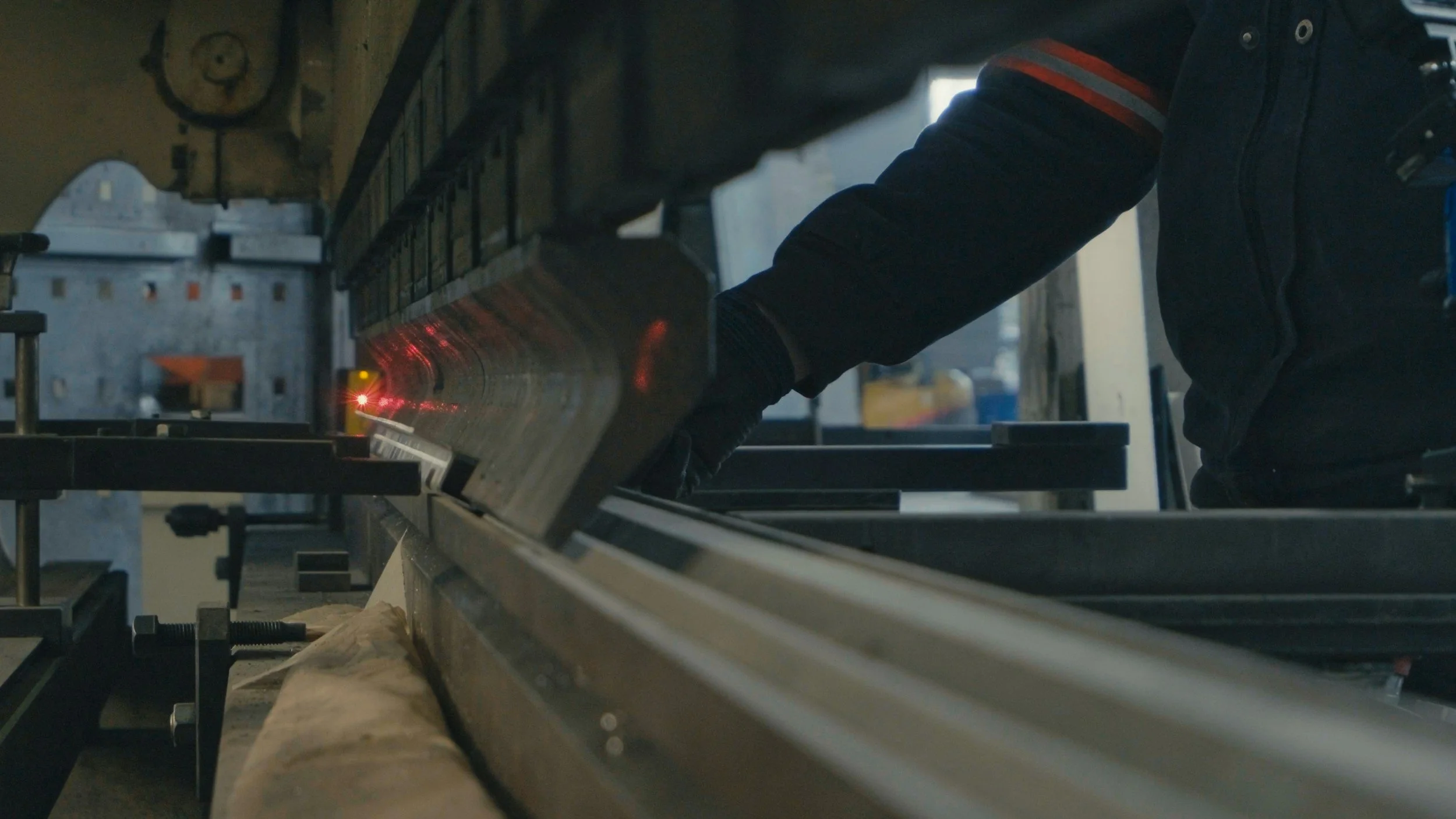
Outside aerospace, adoption is increasing in:
• Injection moulding machines
• Metal forming presses
• Test rigs and simulation equipment
• Advanced robotics
In these applications, precision directly impacts product quality. Poor motion control can lead to dimensional errors, material waste, or mechanical stress.
Servo valves enable repeatable, high-accuracy output, which is increasingly valuable in automated production lines.
MARKET INSIGHT: A SHIFT TOWARD HIGH-VALUE COMPONENTS
The broader automation market is prioritising:
• Predictive maintenance
• Digital monitoring
• Energy efficiency
• Performance optimisation
Servo valves align well with these goals because they integrate into closed-loop systems with feedback sensors and electronic controllers.
Rather than being simple hydraulic components, they are now viewed as precision control devices within smart systems.
CHALLENGES & CONSIDERATIONS
Servo valves are not suitable for every application. They require:
• Clean hydraulic fluid
• Careful filtration
• Higher upfront investment
• Skilled commissioning
However, in high-value systems where performance outweighs cost sensitivity, the benefits justify the investment.
The key is correct application matching — using servo valves where precision is mission-critical.
CONCLUSION – PRECISION DEFINES THE NEXT DECADE
The rise of servo valves reflects a broader industrial shift. As automation systems become more advanced, control accuracy becomes a competitive advantage.
From aerospace flight systems to robotic manufacturing lines, servo valves are enabling tighter tolerances, faster response, and greater operational stability.
In modern automation, precision is not a luxury feature. It is infrastructure.