Valve Remote Control Systems Market Growth Signals Increased Automation in Offshore & Water Infrastructure

Automation is no longer a future ambition in the valve industry — it is becoming a baseline expectation. The Valve Remote Control Systems (VRCS) market is expanding steadily, driven by offshore oil & gas upgrades, subsea developments, and increasing automation across water and wastewater infrastructure.
Remote valve control is shifting from convenience to necessity. As facilities become larger, more complex, and more safety-critical, manual intervention is being replaced by centralised, monitored, and fail-safe control architectures.
This article explores why the VRCS segment is growing — and what it means for engineers, operators, and suppliers.
THE SHIFT FROM MANUAL TO REMOTE OPERATION
Historically, many isolation and process valves in offshore platforms or water treatment plants were operated manually.
That approach presents limitations:
• Safety risks in hazardous areas
• Delayed response during emergencies
• Labour-intensive inspections
• Limited real-time visibility
Today, operators are prioritising systems that allow remote monitoring, automatic fail positions, and integration with digital control networks.
Valve Remote Control Systems typically combine:
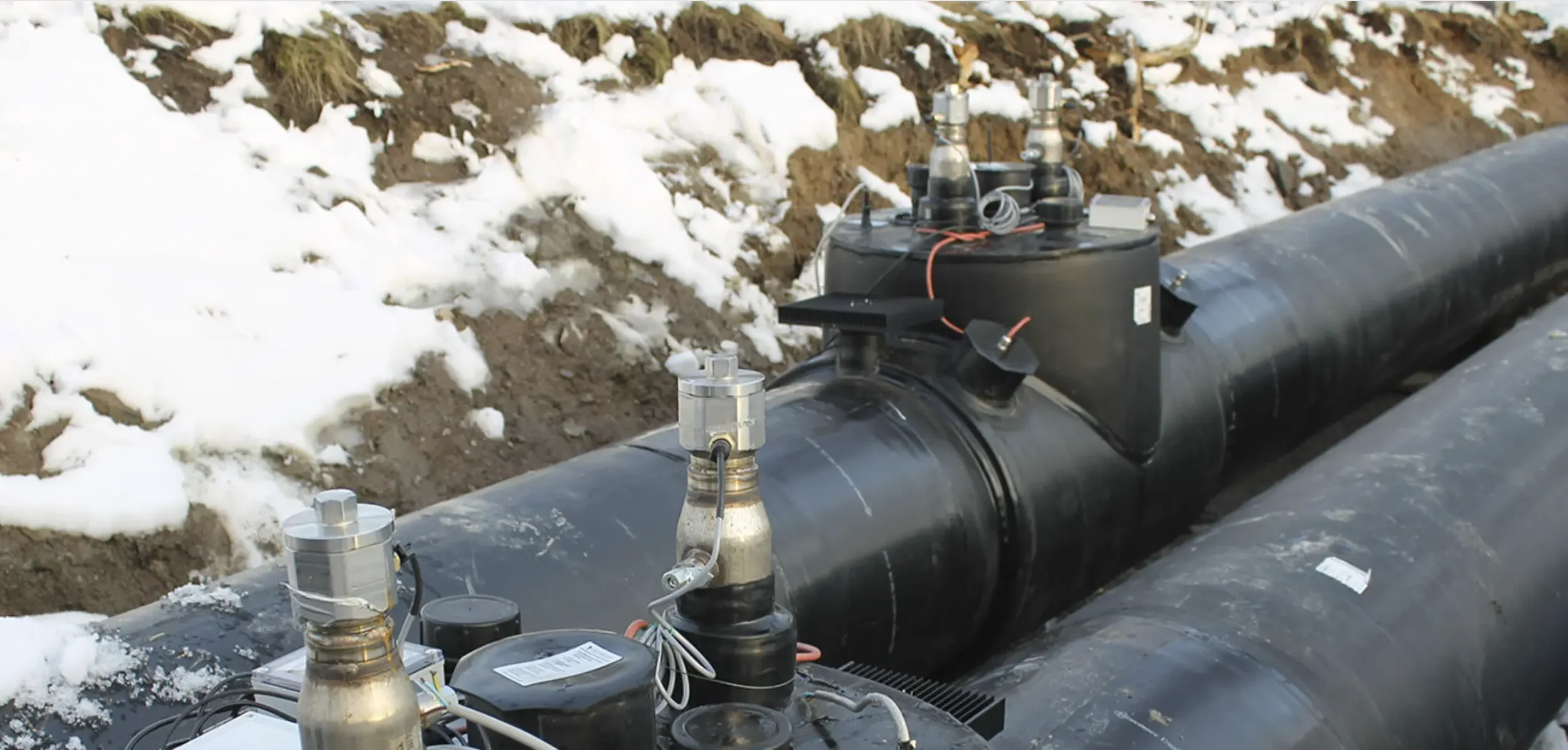
• Electric, hydraulic, or pneumatic actuators
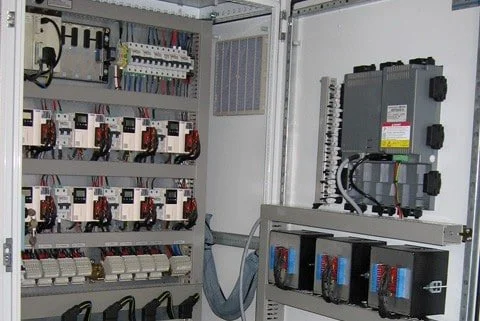
• Control panels or distributed control systems
• Feedback sensors and position indicators
• Redundant power or fail-safe mechanisms
The result is faster response times and significantly improved operational oversight.
OFFSHORE & SUBSEA: A PRIMARY DRIVER
Offshore energy remains one of the strongest drivers of VRCS adoption.
Why?
Because access is expensive and often dangerous.

Platforms, FPSOs, and subsea installations require:
• Emergency shutdown capabilities
• Remote isolation of critical lines
• Reliable control in harsh marine environments
• Integration with safety instrumented systems
In subsea applications especially, valves must be controlled remotely via hydraulic or electro-hydraulic systems. Manual operation simply isn’t feasible.
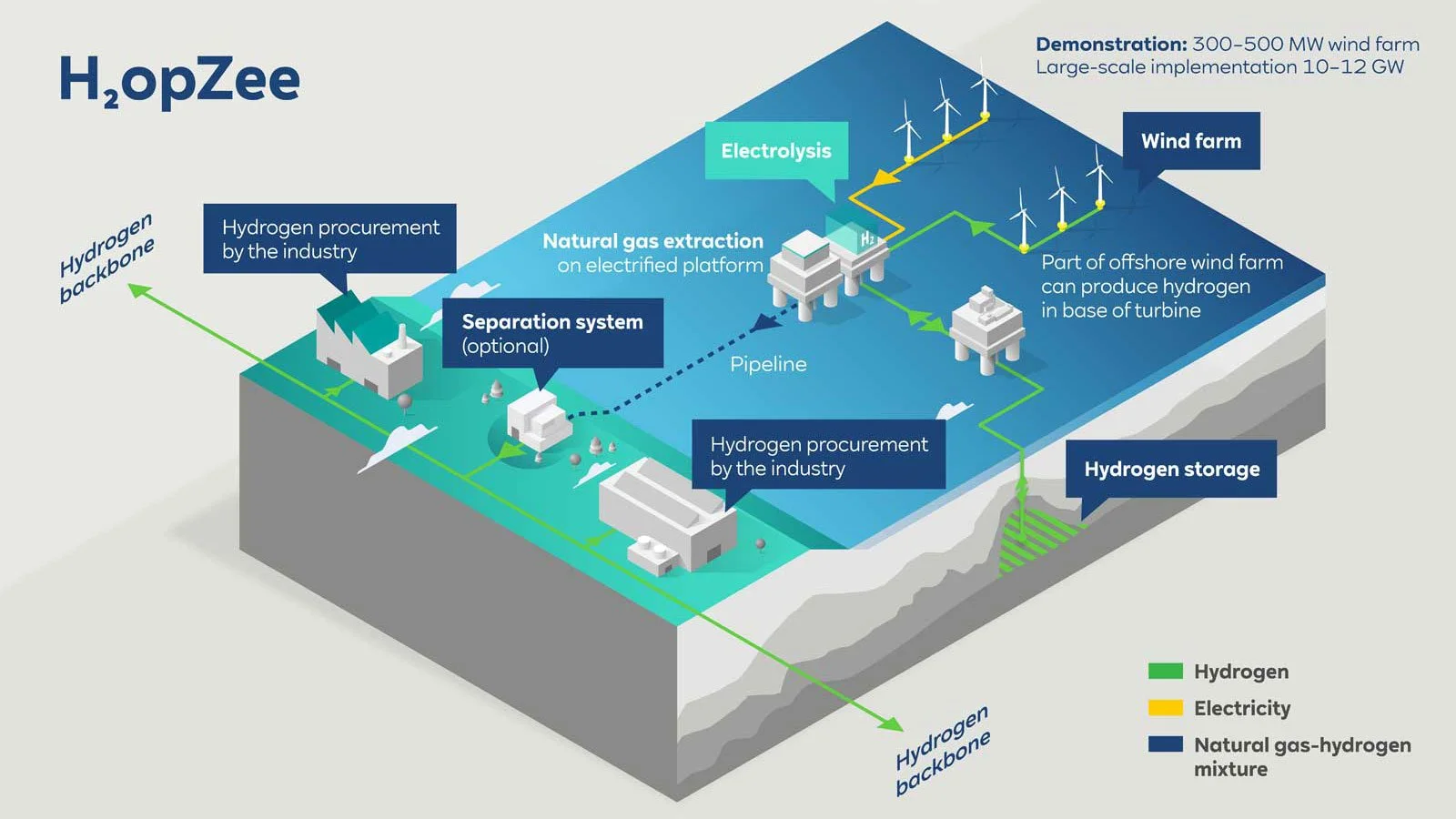
As offshore assets age and new energy projects (including carbon capture and hydrogen) expand, remote valve control is becoming a non-negotiable design requirement.
WATER & WASTEWATER: AUTOMATION CATCHING UP
While offshore automation has long been advanced, municipal water infrastructure is now accelerating adoption.
Key drivers include:
• Pressure management programs
• Leak detection strategies
• Remote pumping station control
• Smart water network initiatives

Water companies are integrating actuated valves into SCADA systems, allowing operators to:
• Adjust pressure zones remotely
• Isolate bursts quickly
• Monitor valve status in real time
• Reduce on-site callouts
As infrastructure investment continues, particularly in the UK and Europe, remote control is increasingly embedded at the design stage.
MARKET TRENDS SHAPING 2026–2030
Several broader trends are influencing the VRCS market:
Digital integration
Valve systems are now part of larger data ecosystems, linking with predictive maintenance software and cloud-based monitoring.Fail-safe engineering
Spring-return and defined fail-position actuators are being prioritised for safety-critical services.Energy efficiency
Electric actuation is gaining traction over hydraulic systems in certain environments due to lower maintenance and simpler installation.Modular panel design
Pre-assembled remote control panels are reducing commissioning time and site complexity.
The common theme? Reliability through automation.
WHAT THIS MEANS FOR VALVE SPECIFIERS
Specifying remote control systems is no longer just about selecting an actuator.
Engineers must evaluate:
• Communication protocol compatibility
• Redundancy requirements
• Hazardous area classification
• Response time performance
• Lifecycle serviceability

Early collaboration between valve manufacturers, actuator suppliers, and system integrators is becoming more important — especially on offshore and large municipal projects.
In 2026, remote control is part of system architecture, not an afterthought.
Wrap up
The growth of the Valve Remote Control Systems market reflects a clear industry direction: automation, safety, and digital visibility.
Offshore energy projects continue to demand robust, fail-safe remote actuation. Water and wastewater infrastructure is rapidly modernising with smart network integration. Across both sectors, the expectation is clear — valves must be controllable, monitorable, and integrated into wider operational systems.
As industrial infrastructure becomes more connected, remote valve control is transitioning from optional upgrade to core design principle.