ARI-Armaturen Introduces ZEDOX: A New High-Performance Double Offset Butterfly Valve
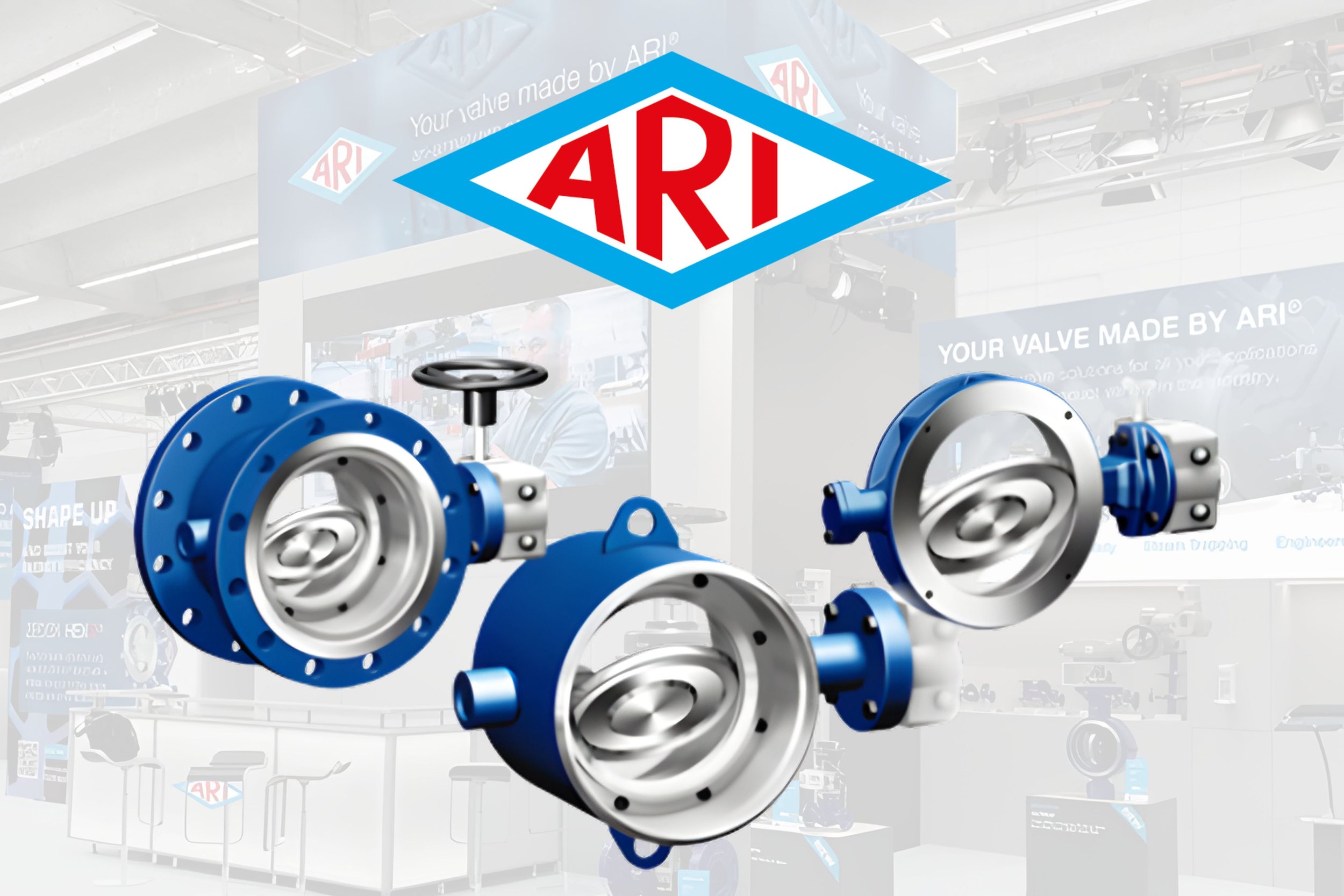
German valve specialist ARI-Armaturen has expanded its industrial portfolio with the launch of the ZEDOX high-performance double offset butterfly valve — designed for tighter shut-off, improved durability, and greater energy efficiency in demanding process environments.
This isn’t just another butterfly valve. ZEDOX has been developed to bridge the gap between standard resilient seated designs and more complex triple offset solutions — offering performance without unnecessary complication.
WHAT MAKES ZEDOX DIFFERENT?
At the heart of the ZEDOX design is a double offset geometry.
This means the disc is positioned slightly off-centre in two directions:
• Offset from the pipe centreline
• Offset from the valve seat centreline
Why does that matter?
Because it reduces seat friction during operation.
The disc lifts away from the seat more quickly during opening, meaning:
• Less wear on sealing surfaces
• Lower operating torque
• Extended service life
• Improved sealing reliability
In high cycle applications, that reduction in friction makes a significant difference over time.
WHERE IT FITS IN THE MARKET
ZEDOX is positioned as a high-performance butterfly valve suitable for:
• Steam systems
• Thermal oil
• Industrial water
• HVAC
• Process industry applications
It’s particularly relevant where temperatures and pressures exceed the comfort zone of soft-seated concentric butterfly valves — but where a triple offset valve may be unnecessary or cost-prohibitive.
For engineers, this provides a strong mid-tier option: better durability than resilient seated designs, simpler than metal-seated triple offset valves.
ENERGY EFFICIENCY & PERFORMANCE BENEFITS
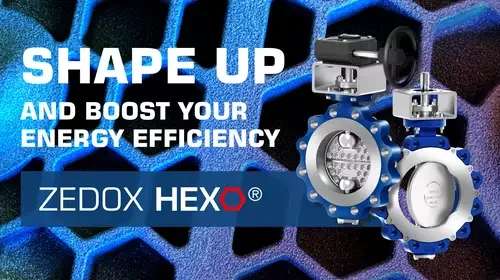
One of the headline advantages of the ZEDOX range is improved energy efficiency.
Here’s why:
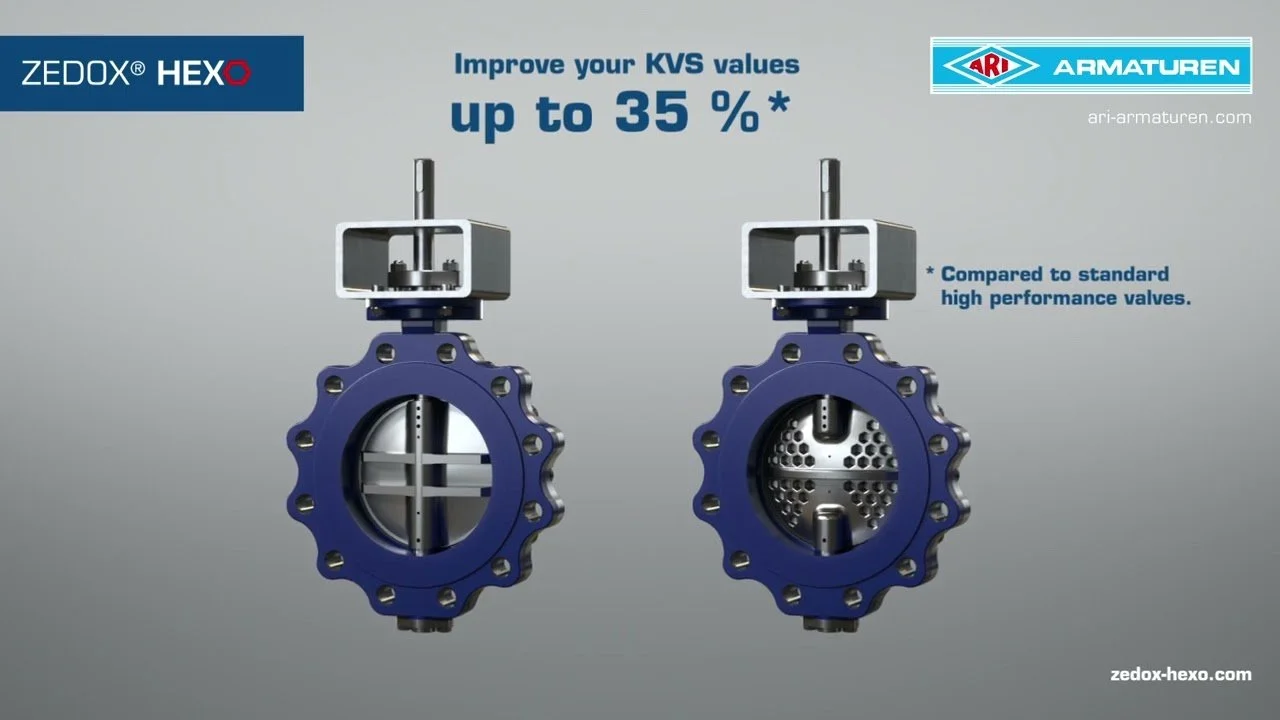
• Reduced torque = smaller actuators
• Lower friction = less power consumption
• Better sealing = reduced leakage losses
In systems operating continuously — especially district heating, steam distribution, or industrial processing — small efficiency gains can add up quickly.
In other words, this valve isn’t just about isolation. It’s about lifecycle performance.
DESIGN & ENGINEERING FOCUS
ARI-Armaturen has a long-standing reputation in steam and thermal control systems, and ZEDOX reflects that engineering heritage.
The valve design focuses on:
• Robust body construction
• Reliable metal seat technology
• Temperature resilience
• Long service intervals
For contractors and plant managers, that means fewer shutdowns and lower maintenance demands.
WHAT THIS MEANS FOR SPECIFIERS
If you’re writing specifications in 2026, here’s where ZEDOX could make sense:
• Upgrading ageing concentric butterfly installations
• Steam isolation points requiring improved durability
• Energy efficiency optimisation projects
• Industrial plant retrofits
It provides a balance of cost control, performance improvement, and engineering simplicity — something many projects are actively looking for.
THE BIGGER INDUSTRY TREND
The launch of ZEDOX also reflects a wider market movement:
Manufacturers are focusing on smarter mechanical design rather than just adding complexity. Instead of jumping straight to triple offset or highly specialised valves, there’s renewed interest in optimised mid-range performance.
That approach aligns well with today’s focus on:
• Lifecycle cost reduction
• Predictable maintenance
• Energy optimisation
• Reliable sealing under pressure
The ZEDOX high-performance double offset butterfly valve strengthens ARI-Armaturen’s position in thermal and industrial flow control.
For engineers and buyers, it offers a practical solution where performance, efficiency, and durability matter — but without overengineering the specification.
In modern industrial systems, the smartest solution is often the one that delivers maximum reliability with minimum friction — both mechanically and commercially.