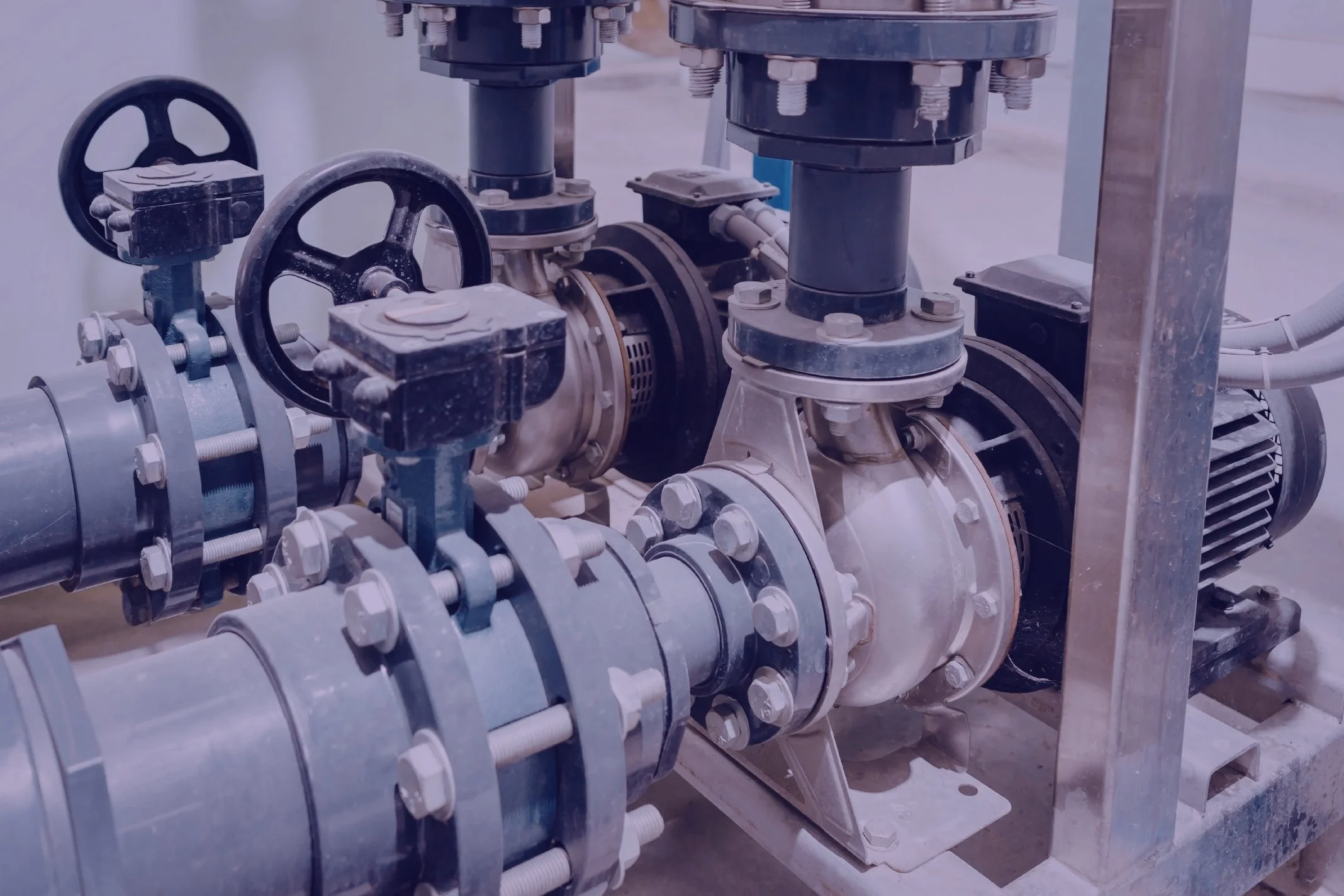
WRAS Approval Explained

INTRODUCTION: WHAT IS WRAS AND WHY IT EXISTS
In the UK, any product that comes into contact with drinking water must meet strict safety requirements.
This is where WRAS approval comes in.
WRAS stands for the Water Regulations Advisory Scheme, a UK-based certification system designed to ensure that materials, components, and products used in water systems do not contaminate the public water supply.
For valves, WRAS approval is not just a nice-to-have label. It is a clear signal that the valve is safe for use with potable water and complies with the UK Water Supply (Water Fittings) Regulations. Without WRAS approval, a valve may be unsuitable, non-compliant, or even illegal to install in certain water applications.
WHAT DOES WRAS APPROVAL ACTUALLY MEAN?
WRAS approval confirms that a valve has been independently tested and assessed for use in drinking water systems.
This assessment focuses heavily on material safety. Any component that comes into contact with water must not release harmful substances, alter taste or odour, or encourage bacterial growth.
For a valve to achieve WRAS approval, its body materials, seals, seats, coatings, and internal components are all evaluated. Even small parts such as O-rings or gaskets are included in the assessment. Approval is granted for specific configurations, which means changes to materials or design can invalidate certification.
In simple terms, WRAS approval means the valve is proven to be safe for clean water use in the UK.
WHY WRAS APPROVAL MATTERS IN WATER SYSTEMS

Water systems are designed to protect public health. Using non-approved components introduces risk, even if the valve appears to function correctly. Materials that are acceptable in industrial or HVAC systems may leach chemicals when used with drinking water, especially over long periods.
WRAS-approved valves reduce this risk by ensuring compatibility with potable water. They are commonly required in applications such as mains water supply, commercial buildings, residential developments, schools, hospitals, and food-related facilities.
In many cases, water authorities, inspectors, and specifiers will only accept WRAS-approved products. Installing non-approved valves can lead to failed inspections, forced replacements, and project delays.
COMMON MISUNDERSTANDINGS ABOUT WRAS
A common misconception is that all water valves are automatically suitable for potable water. This is not true. Many valves are designed for process water, heating systems, or non-potable fluids and do not meet WRAS requirements.
Another misunderstanding is that only the valve body needs approval. In reality, any part in contact with water must comply. A stainless steel body with non-approved seals can still fail WRAS requirements.
It’s also important to note that WRAS approval is UK-specific. International certifications do not automatically replace the need for WRAS compliance in UK water systems.
WHEN DO YOU NEED A WRAS-APPROVED VALVE?
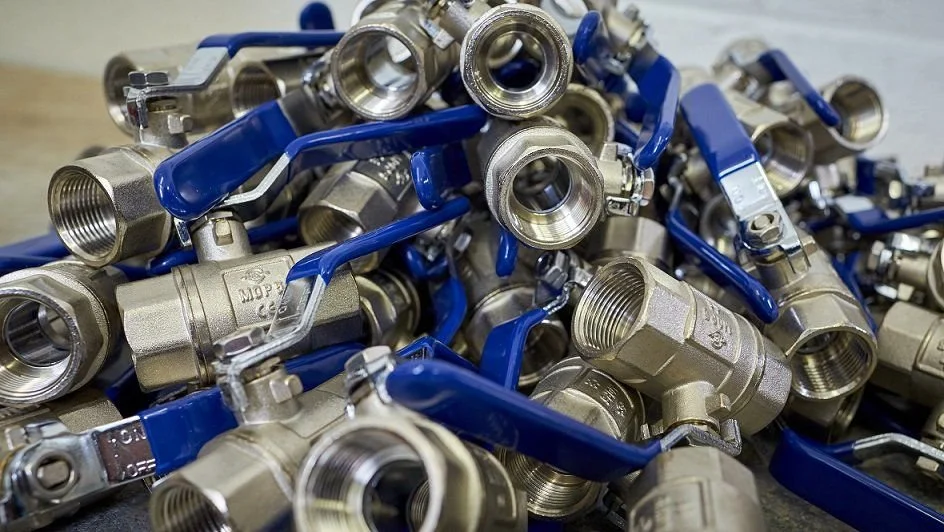
WRAS approval is typically required whenever a valve is installed in a system carrying drinking water or water intended for human consumption. This includes incoming water mains, internal building supply systems, and equipment connected directly to potable water lines.
Even in mixed-use systems, sections connected to potable water must remain compliant. Using WRAS-approved valves helps ensure long-term safety, regulatory compliance, and peace of mind for installers and end users alike.