What Does ATEX Mean for Valves and Actuators?
INTRODUCTION: WHY ATEX EXISTS
In many industrial environments, the atmosphere itself can become dangerous. Gases, vapours, mists, or dust can mix with air and create explosive conditions. In these situations, even a small spark or surface temperature can trigger a serious incident. This is exactly why ATEX exists.
ATEX is a European regulatory framework designed to reduce the risk of explosions in hazardous areas. For valves and actuators, ATEX determines whether equipment is safe to install and operate where explosive atmospheres may be present. Understanding ATEX is essential for anyone specifying, installing, or maintaining automated valve systems in high-risk industries.
WHAT DOES ATEX ACTUALLY MEAN?
ATEX comes from the French term “ATmosphères EXplosibles” and refers to two EU directives. One focuses on equipment design and certification, while the other covers how equipment is used in hazardous areas.
In simple terms, ATEX defines the rules for equipment that operates in explosive environments. Valves, actuators, solenoids, and accessories may all fall under ATEX requirements if they are installed where an explosive atmosphere could occur.
If equipment is not ATEX-certified where certification is required, it should not be installed or operated in that area.
ATEX ZONES AND CLASSIFICATIONS
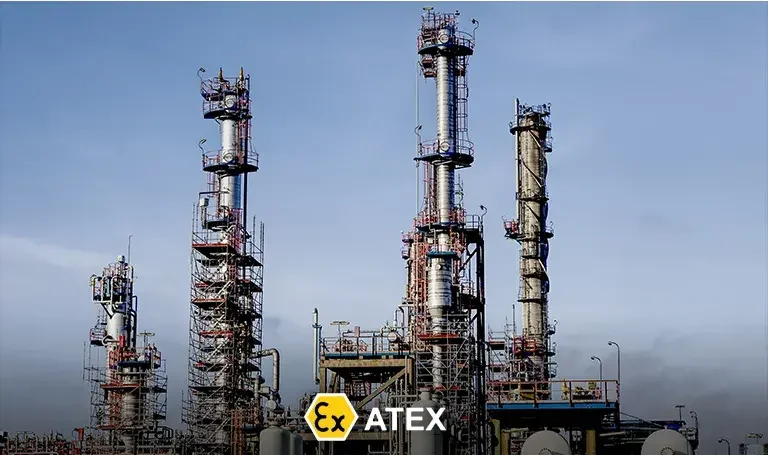
Hazardous areas are divided into zones based on how often an explosive atmosphere is present. For gases and vapours, zones range from areas where explosive conditions are continuous to areas where they occur rarely. Dust environments use a similar zoning system.
These zones determine what category of equipment can be used. The higher the risk, the stricter the equipment requirements. Valves themselves are often considered mechanical equipment, while actuators and electrical components usually face stricter scrutiny due to potential ignition sources.
Correct zoning is the foundation of ATEX compliance. If the zone is wrong, the equipment choice will be wrong too.
WHAT MAKES A VALVE OR ACTUATOR ATEX COMPLIANT?
ATEX compliance does not mean a product is explosion-proof. It means the equipment is designed to minimise ignition risk under defined conditions. This can include limiting surface temperatures, preventing sparks, controlling static build-up, and using suitable materials.
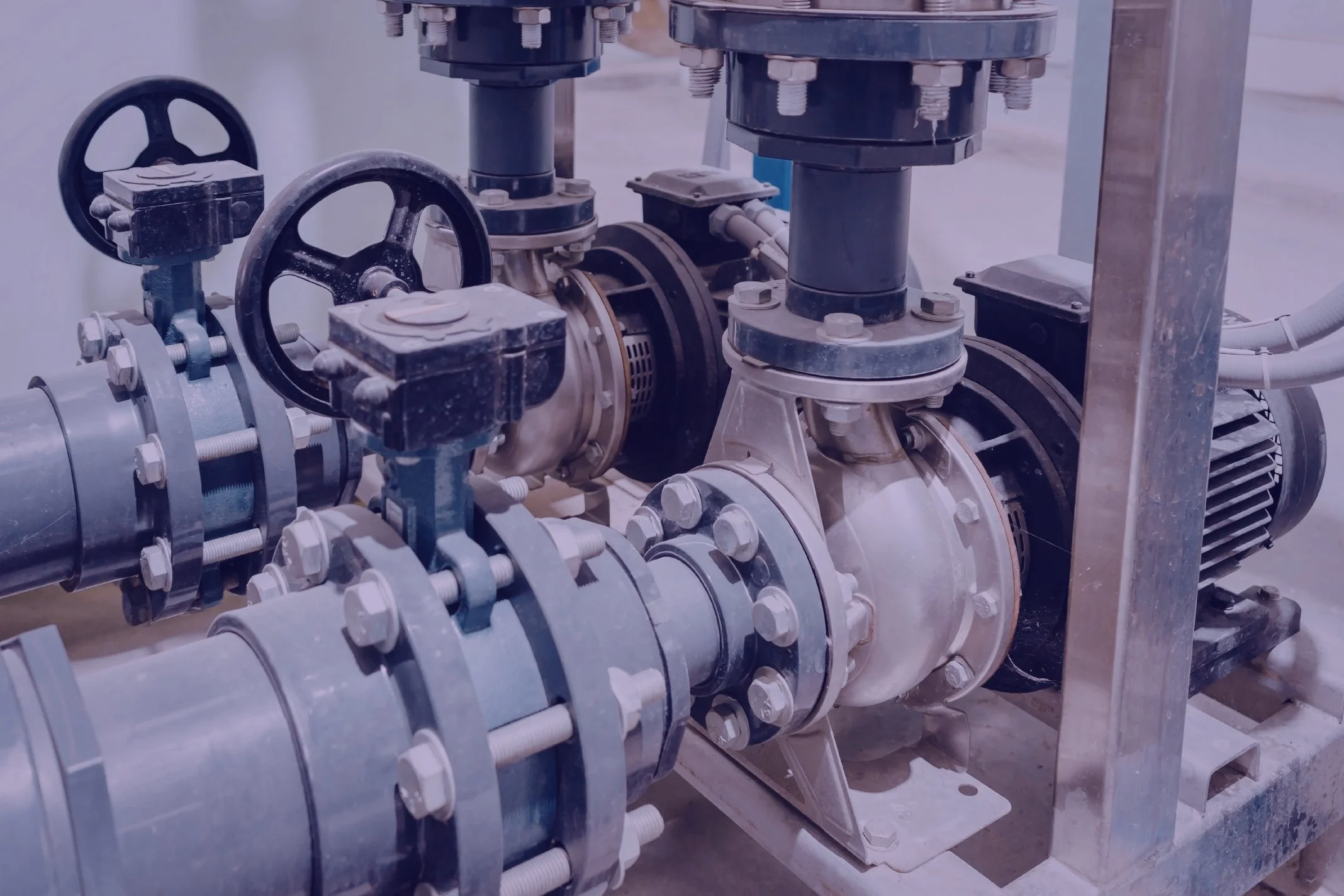
For actuators, this often affects electric motors, wiring, enclosures, and control components. Pneumatic actuators are commonly used in hazardous areas because they contain fewer ignition sources, but they may still require ATEX-certified accessories such as solenoid valves or positioners.
Valves may also require assessment, particularly where friction, mechanical impact, or material selection could create ignition risks.
WHY ATEX MATTERS IN REAL-WORLD APPLICATIONS
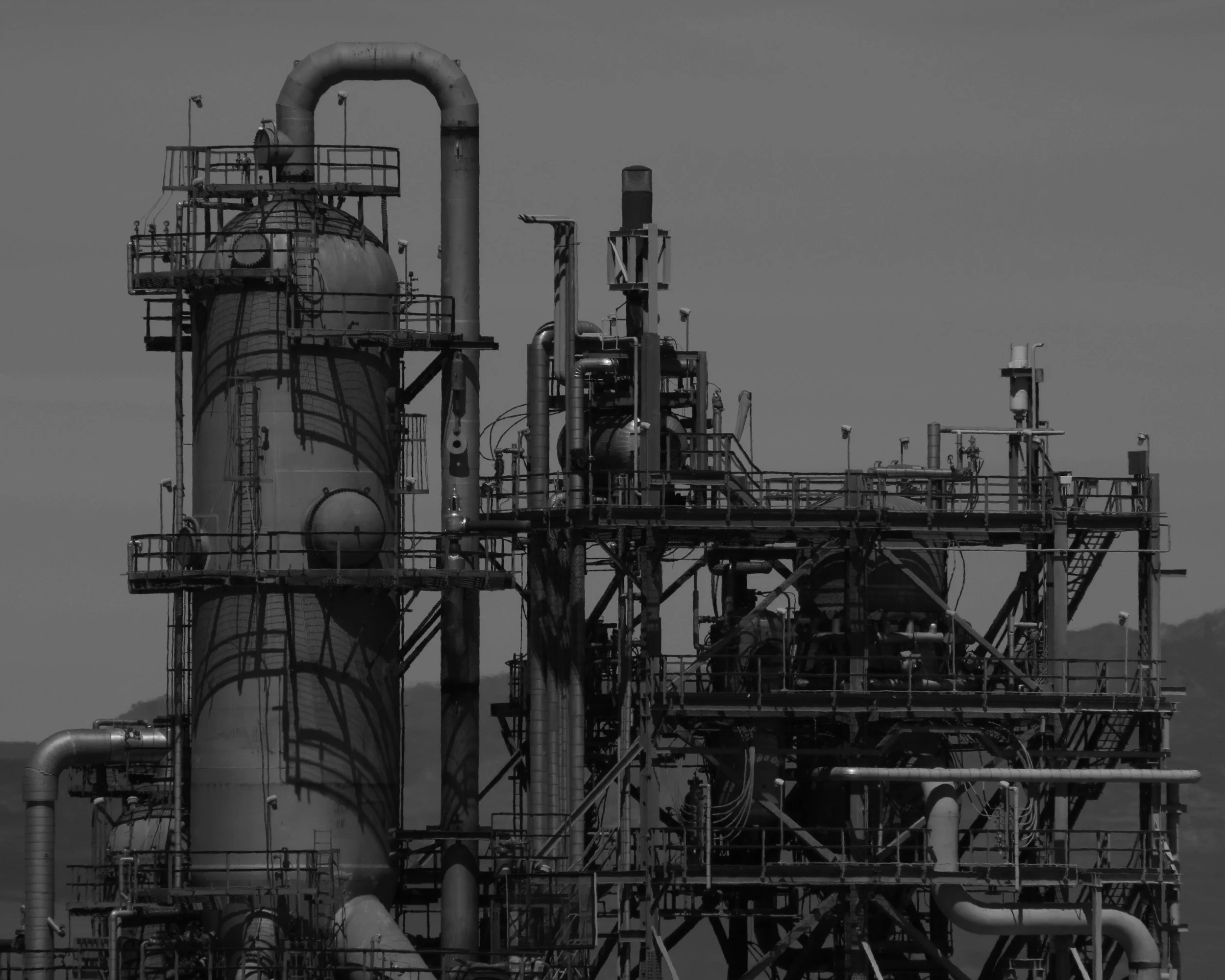
ATEX is not just a paperwork exercise. It directly affects safety, legal compliance, and insurance coverage. Installing non-certified equipment in a hazardous area can invalidate insurance, breach regulations, and expose operators to serious risk.
Industries such as oil and gas, chemicals, pharmaceuticals, food processing, and energy generation rely heavily on ATEX-compliant valves and actuators. In these sectors, ATEX is not optional — it is a fundamental requirement.
Understanding ATEX early in the design or specification process avoids costly redesigns, delays, and compliance issues later.
CONCLUSION: ATEX AS A SELECTION REQUIREMENT
ATEX defines where and how valves and actuators can be used safely in explosive environments. It influences everything from actuator type and enclosure rating to materials, accessories, and installation practices.
For engineers and buyers, ATEX should never be an afterthought. It is a core part of correct valve and actuator selection, ensuring systems remain safe, compliant, and reliable throughout their operating life.