Understanding Valve Pressure, Temperature & Material Standards
INTRODUCTION: WHY STANDARDS MATTER MORE THAN YOU THINK
In industrial systems, valves are expected to perform reliably under pressure, heat, and continuous operation. When something fails, it’s rarely random. More often than not, the root cause is a mismatch between pressure, temperature, and material standards. Understanding how these three factors work together is essential for safe, compliant, and long-lasting valve performance.
Valve standards exist to remove guesswork. They define operating limits, ensure consistency, and help engineers select equipment that won’t fail under real-world conditions. Ignoring them can lead to leaks, deformation, accelerated wear, or complete system shutdowns.
UNDERSTANDING VALVE PRESSURE RATINGS
Pressure ratings define the maximum pressure a valve can safely withstand at a specified temperature. These ratings are not arbitrary — they are governed by international standards such as PN (Pressure Nominal) and ANSI classes.
A common misunderstanding is assuming pressure ratings are fixed.
In reality, pressure ratings decrease as temperature increases. A valve rated for high pressure at ambient temperature may be significantly de-rated at elevated temperatures. This is especially critical in steam, oil, and thermal systems.
Selecting a valve purely based on line pressure, without accounting for temperature effects, is one of the most common causes of premature failure.
TEMPERATURE LIMITS AND DE-RATING

Every valve has a defined temperature range, influenced by its body material, seat material, and sealing design. Metal components may tolerate high temperatures, but soft seats, seals, and gaskets often impose stricter limits.
As temperature rises, material strength reduces, seals harden or soften, and expansion occurs. This is why standards include pressure–temperature rating tables, not single values. Operating beyond these limits risks leakage, distortion, or permanent damage.
Temperature standards ensure valves remain safe and functional across their entire operating range — not just at ideal conditions.
VALVE MATERIAL STANDARDS EXPLAINED
Material selection is where pressure and temperature limits become reality. Common valve materials include carbon steel, stainless steel, bronze, duplex, and exotic alloys. Each material has defined mechanical properties, corrosion resistance, and temperature tolerance.
For example, carbon steel performs well under pressure but may corrode in aggressive media.
Stainless steel offers better corrosion resistance but has different temperature characteristics. In high-temperature or corrosive applications, material choice directly determines valve lifespan.
Standards ensure materials meet minimum strength, chemical composition, and performance requirements, providing confidence that a valve will behave as expected.
WHY PRESSURE, TEMPERATURE, AND MATERIAL MUST MATCH
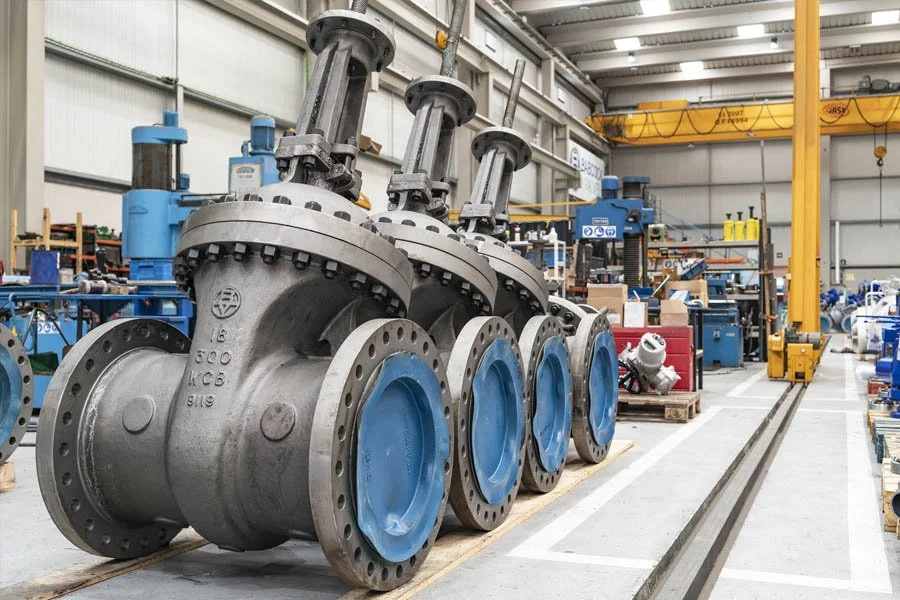
Pressure, temperature, and material standards cannot be considered in isolation.
A valve rated for the correct pressure but built from the wrong material may fail just as quickly as an under-rated valve.
Correct valve selection means ensuring all three standards align with the actual operating conditions, including start-up, shutdown, and abnormal scenarios. This holistic approach reduces risk, improves reliability, and ensures compliance with industry regulations.
CONCLUSION: STANDARDS PROTECT SYSTEMS AND PEOPLE
Valve standards exist for a reason. They protect systems from failure, operators from harm, and businesses from costly downtime. Understanding how pressure ratings, temperature limits, and material standards interact allows engineers and buyers to make informed decisions.
In industrial environments, standards are not red tape — they are safeguards.