Valve Material Compatibility: Matching Materials to Media
INTRODUCTION: WHY MATERIAL–MEDIA COMPATIBILITY IS CRITICAL
Even the best-designed valve will fail if the material is incompatible with the media flowing through it. Material–media compatibility determines corrosion resistance, sealing performance, and service life. Get it right and the valve runs for years. Get it wrong and failures can happen quickly — sometimes catastrophically.
This guide explains how different fluids interact with common valve materials and how to avoid the most common compatibility mistakes in industrial systems.
HOW MEDIA INTERACTS WITH VALVE MATERIALS
Different fluids behave in different ways. Some are chemically aggressive, some abrasive, and others sensitive to contamination. Understanding the chemistry and physical behaviour of the media is the first step.
Water can contain chlorides that attack certain stainless steels. Steam introduces high temperature and pressure that weakens unsuitable materials. Oils and gases may be benign chemically but demand high pressure integrity. Acids, solvents, and process chemicals can aggressively corrode metals and degrade seals.
Material choice must always consider both chemical compatibility and operating conditions.
COMMON MATERIALS AND WHERE THEY WORK BEST
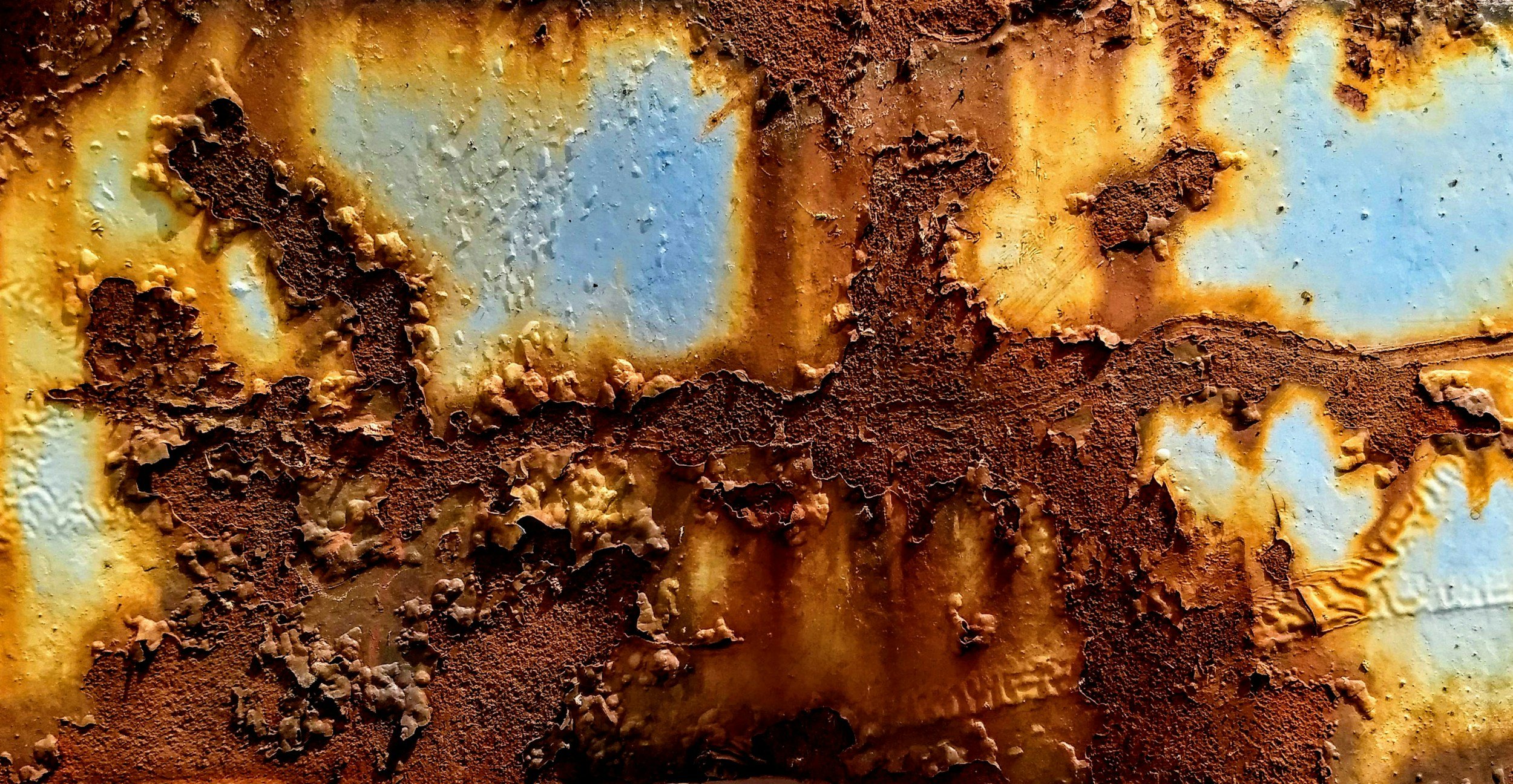
Carbon steel performs well with oils, gases, and steam in controlled environments, but struggles with moisture and corrosive media. Stainless steel offers broader compatibility, especially with water and mild chemicals, though chloride exposure must be considered.
Duplex and super duplex stainless steels excel in chloride-rich and high-stress environments. Exotic alloys such as Inconel, Hastelloy, and Monel are reserved for extreme chemical, temperature, or marine applications where standard materials fail.
Matching material to media isn’t about choosing the strongest option — it’s about choosing the correct one.
THE ROLE OF SEALS AND INTERNAL COMPONENTS
Material compatibility doesn’t stop at the valve body. Seats, seals, and internal components are often the first parts to fail. Elastomers and soft seals can swell, crack, or degrade when exposed to incompatible chemicals or temperatures.
For example, PTFE performs well with many chemicals but has temperature limits. Metal seats handle heat and abrasion but may sacrifice tight shut-off. Ignoring seal compatibility is a common and costly mistake.
Always evaluate the complete valve assembly, not just the body material.
AVOIDING COMMON COMPATIBILITY MISTAKES
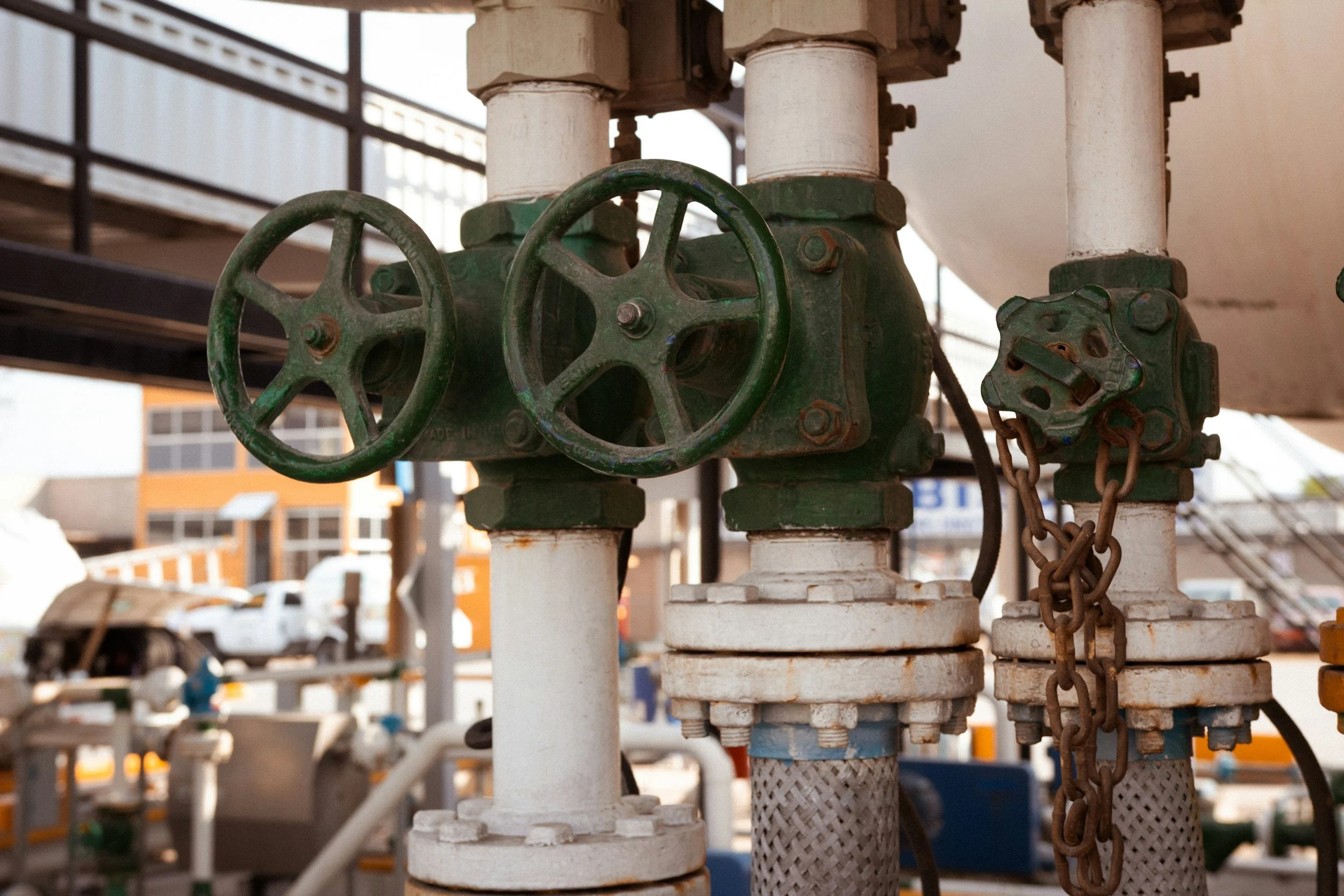
One of the biggest errors is assuming a material is “good for everything.” Stainless steel is often over-trusted, while carbon steel is frequently pushed beyond its limits.
Another mistake is designing for normal operation while ignoring cleaning cycles, start-up conditions, or emergency scenarios.
A proper compatibility review considers worst-case conditions, not just steady-state operation. This approach dramatically reduces unexpected failures and downtime.
FINAL THOUGHTS: COMPATIBILITY DRIVES RELIABILITY
Valve material compatibility is not optional — it is fundamental. By understanding how media interacts with metals and seals, engineers and buyers can select valves that perform reliably, safely, and cost-effectively.
Correct compatibility selection protects equipment, reduces maintenance, and ensures long-term system integrity.