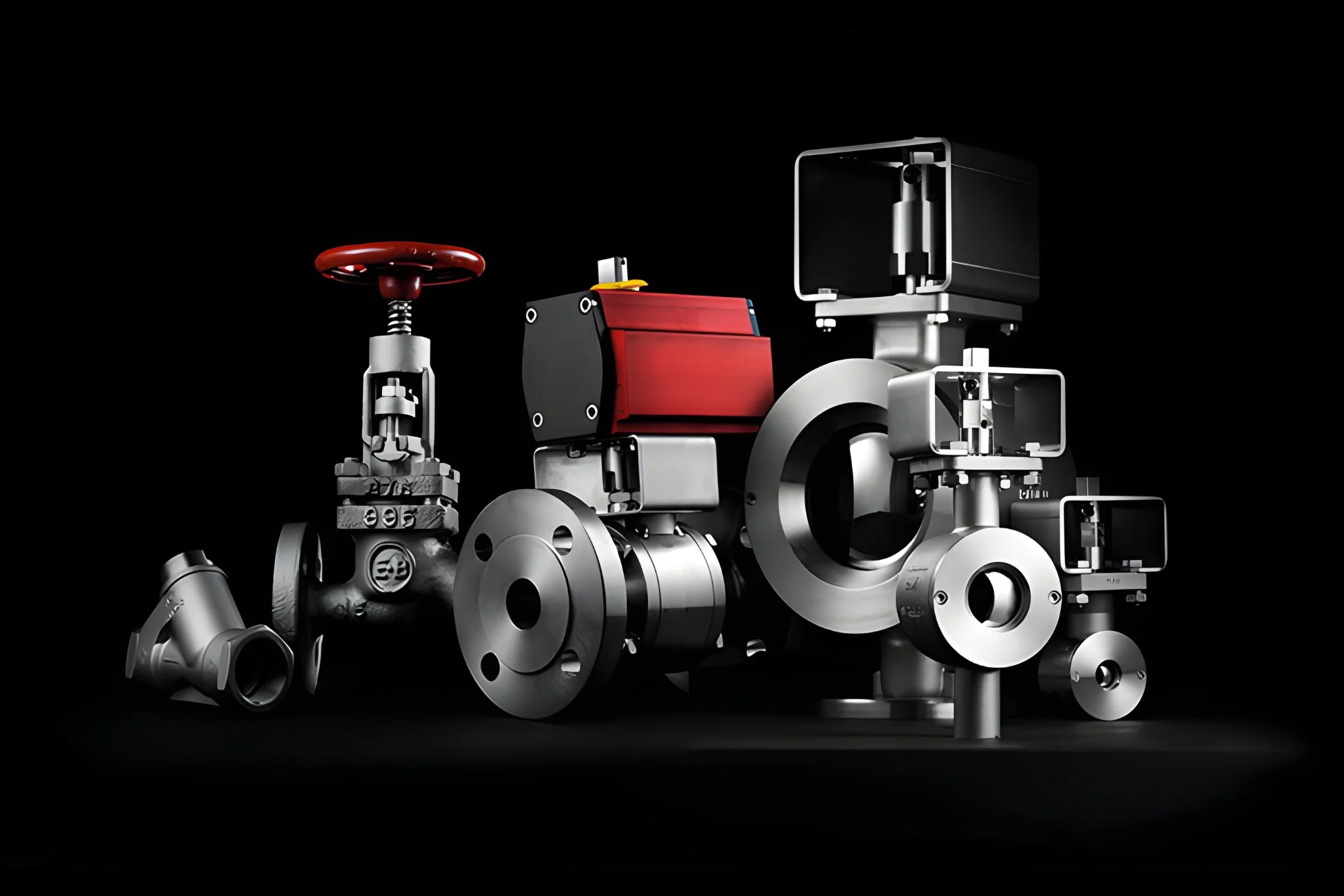
Duplex and Super Duplex Valves: When and Why They’re Used

INTRODUCTION: WHY DUPLEX MATERIALS EXIST
Standard stainless steels work well in many environments, but there are applications where they simply aren’t strong or corrosion-resistant enough. This is where duplex and super duplex stainless steels come in. These materials were developed for extreme industrial conditions where high pressure, aggressive media, and long service life are non-negotiable.
Duplex and super duplex valves are most commonly found in oil & gas, offshore, marine, and chemical processing environments. Understanding why they are used — and when they are genuinely required — helps avoid both premature failure and unnecessary overspecification.
WHAT IS DUPLEX STAINLESS STEEL?
Duplex stainless steel gets its name from its dual microstructure, combining austenitic and ferritic stainless steel. This structure gives duplex materials significantly higher strength than standard stainless steels while maintaining excellent corrosion resistance.
In valve applications, this means thinner wall sections can often be used without sacrificing pressure rating. Duplex valves handle higher stresses, resist deformation, and perform well in chloride-rich environments where conventional stainless steels are prone to corrosion.
Duplex stainless steel is particularly valued for its resistance to stress corrosion cracking, a common failure mode in harsh industrial systems.
WHAT IS SUPER DUPLEX STAINLESS STEEL?
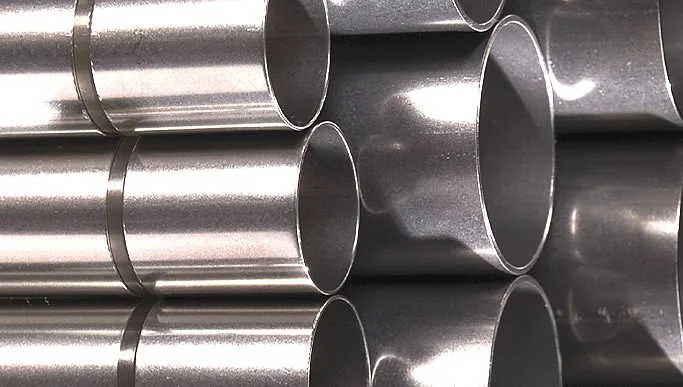
Super duplex stainless steel is an enhanced version of duplex, with higher levels of chromium, molybdenum, and nitrogen. These additions push corrosion resistance and mechanical strength even further.
Super duplex valves are designed for the most demanding environments imaginable. They offer exceptional resistance to pitting, crevice corrosion, and chemical attack, even under high pressure and elevated temperatures.
This makes them essential in subsea systems, offshore platforms, and aggressive chemical services. While super duplex valves carry a higher upfront cost, they are often the only reliable option where failure is not acceptable.
KEY DIFFERENCES BETWEEN DUPLEX AND SUPER DUPLEX
The primary differences lie in corrosion resistance and strength. Duplex stainless steel is ideal for demanding industrial applications, while super duplex is reserved for extreme conditions.
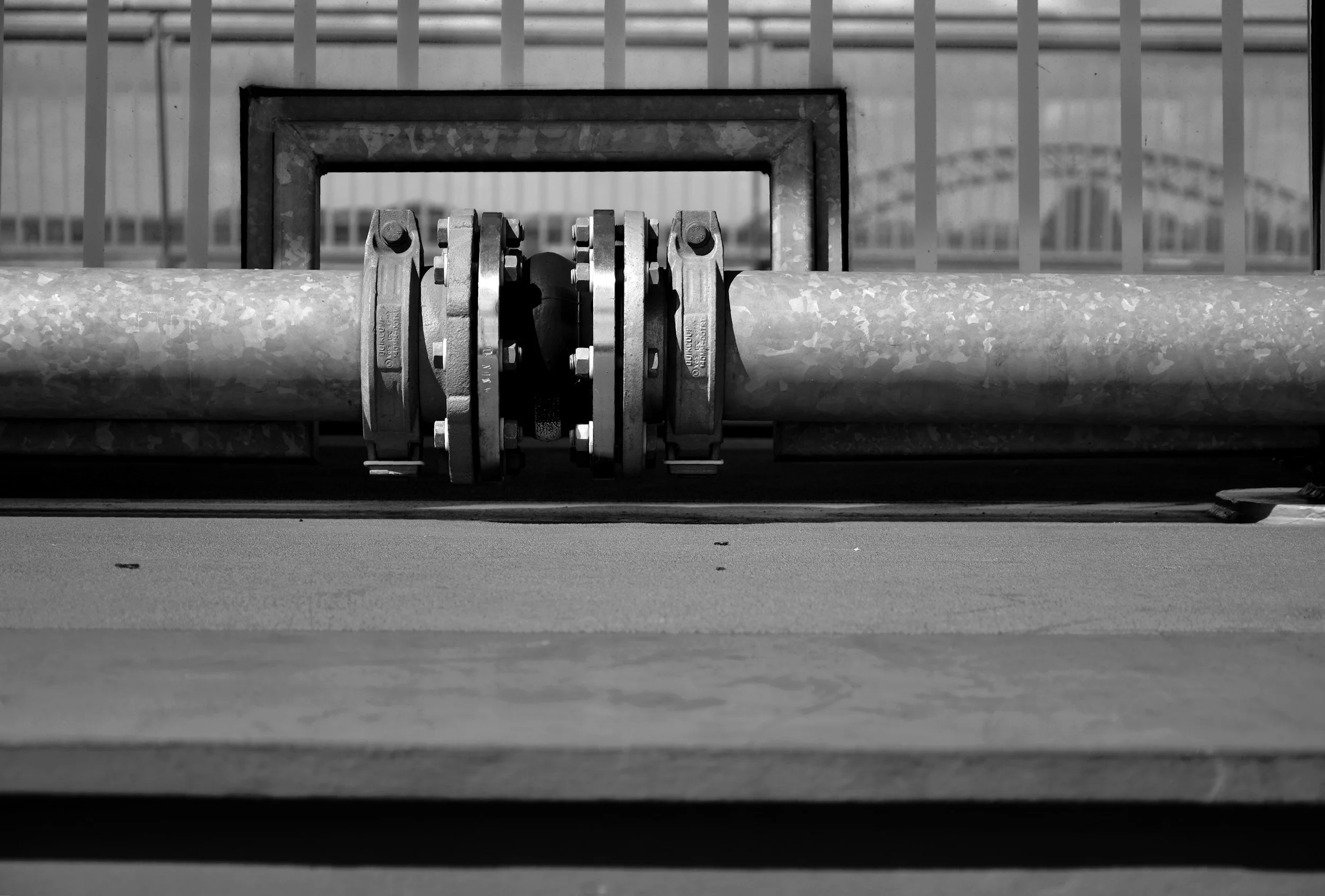
Duplex valves are commonly used in high-pressure pipelines, water treatment plants, and marine environments. Super duplex valves are typically specified for offshore oil & gas, desalination plants, and chemical processing where chloride levels and mechanical stress are exceptionally high.
Choosing between the two depends on operating conditions rather than preference.
WHEN SHOULD DUPLEX OR SUPER DUPLEX BE USED?
These materials should be selected when standard carbon steel or stainless steel cannot provide adequate service life. Environments involving saltwater, aggressive chemicals, high pressures, or cyclic stress are strong indicators that duplex materials may be required.
However, using duplex or super duplex unnecessarily increases project costs. Correct material selection balances performance, safety, and budget, ensuring the valve is fit for purpose without overengineering.