How to Choose the Right Valve Material for Your Application

INTRODUCTION: MATERIAL CHOICE DEFINES VALVE PERFORMANCE
Valve selection doesn’t stop at size or type. Material choice is one of the biggest factors influencing reliability, safety, and service life. A valve can be perfectly designed, but if the material isn’t suited to the application, failure is only a matter of time.
Industrial systems expose valves to pressure, temperature, chemicals, abrasion, and environmental conditions. Choosing the right material means understanding how these factors interact — and selecting a material that can handle them consistently over time.
UNDERSTAND THE MEDIA FLOWING THROUGH THE VALVE
The first and most important consideration is the type of media. Water, steam, oil, gas, chemicals, and food products all behave differently and react differently with valve materials.
Clean water and air systems may allow for carbon steel or basic stainless steel. Steam and high-temperature media require materials that retain strength under heat. Aggressive chemicals demand corrosion-resistant alloys. In hygienic applications, materials must also prevent contamination and allow easy cleaning.
If the media is corrosive, abrasive, or chemically reactive, material compatibility becomes critical.
PRESSURE AND TEMPERATURE REQUIREMENTS
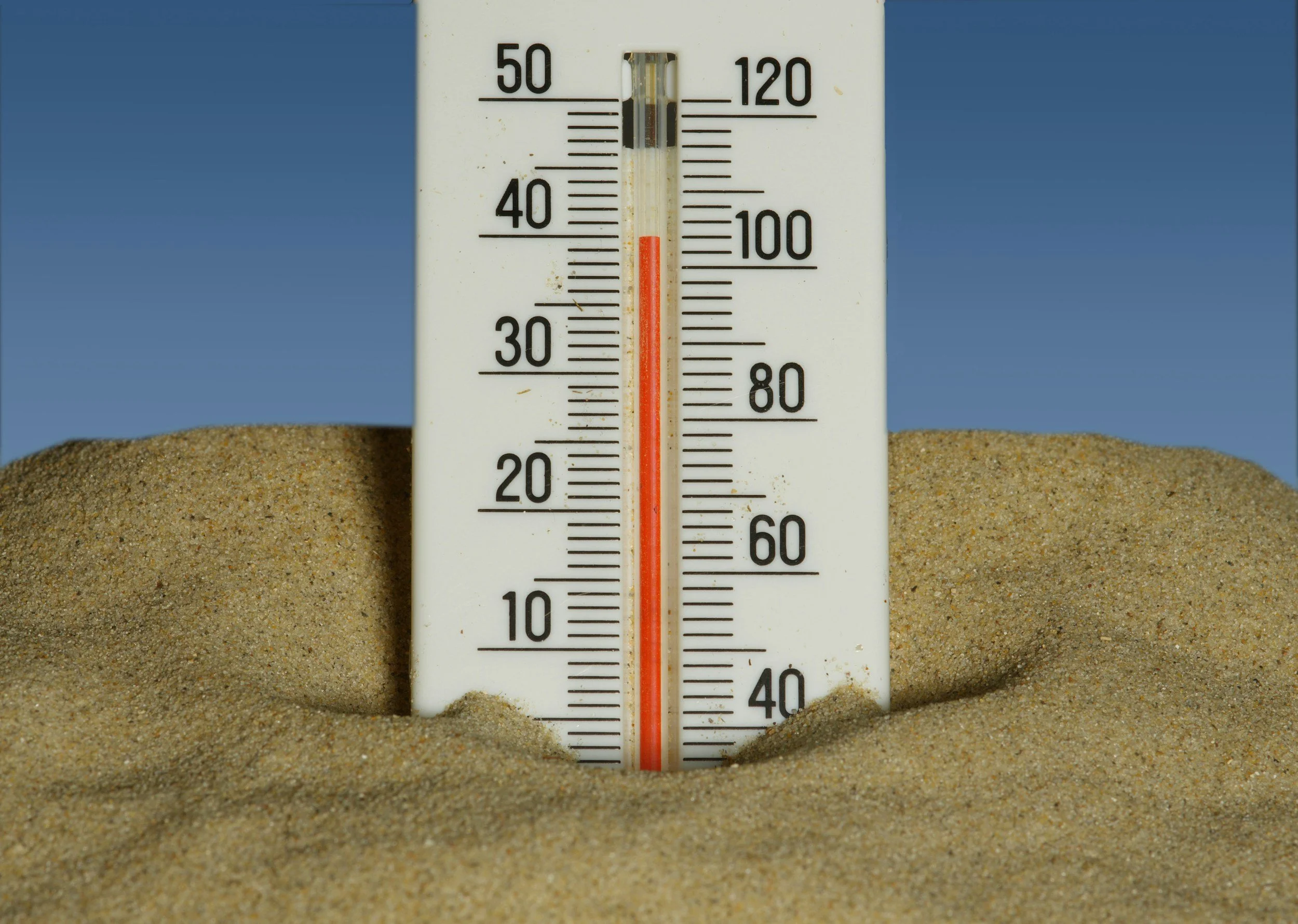
Pressure and temperature ratings must always be considered together. As temperature increases, a material’s pressure rating often decreases. A valve material that performs well at ambient temperature may weaken significantly under heat.
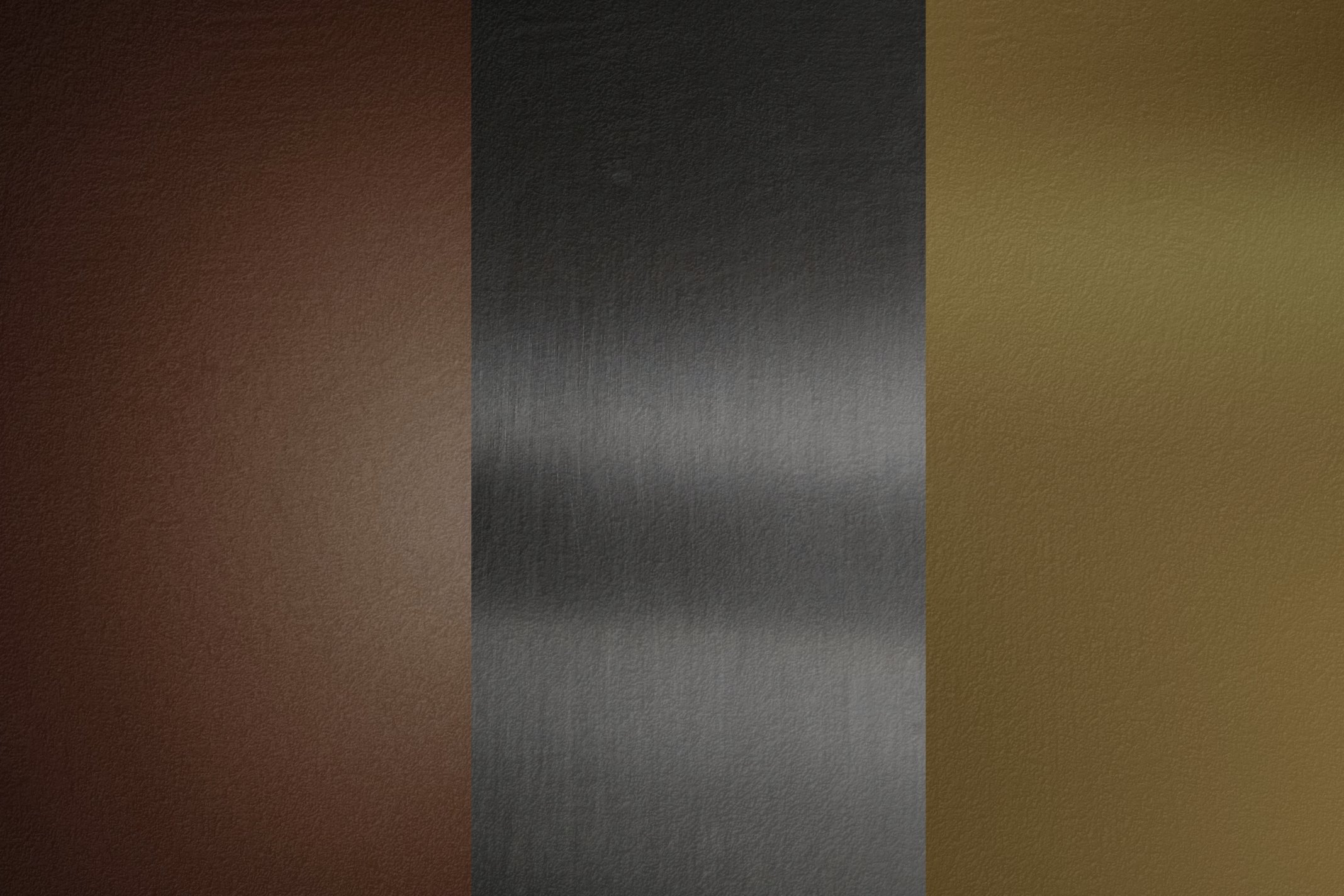
Carbon steel performs well at high pressure but is vulnerable to corrosion. Stainless steel offers corrosion resistance but may not handle extreme pressures as efficiently. Alloy steels, duplex, and exotic alloys are often required where high pressure and high temperature exist simultaneously.
Always consider worst-case operating conditions, not just normal operation.
ENVIRONMENTAL AND INSTALLATION CONDITIONS
Where the valve is installed matters just as much as what flows through it. Outdoor installations may be exposed to rain, salt air, or temperature fluctuations. Hazardous areas may require fire-safe or ATEX-compliant materials. Washdown environments demand corrosion-resistant and hygienic finishes.
In marine or coastal environments, chloride exposure can rapidly degrade unsuitable materials. In these cases, standard stainless steel may fail where duplex or specialist alloys succeed.
LIFECYCLE COST VS UPFRONT COST
One of the most common mistakes is selecting materials based solely on purchase price.
While higher-grade materials cost more initially, they often deliver significantly lower total cost of ownership.
A cheaper valve that requires frequent maintenance, replacement, or downtime quickly becomes expensive. The right material reduces failures, extends service life, and improves system uptime. Material selection should always be viewed as a long-term investment.
MAKING THE FINAL DECISION
Choosing the right valve material means balancing performance, safety, and cost. There is no universal solution — only materials that are better suited to specific conditions.
By understanding media type, pressure, temperature, environment, and lifecycle expectations, you can select a valve material that performs reliably and avoids costly mistakes. Correct material selection is the foundation of a dependable valve system.