Valmet Introduces Valvcon QB-Series Electric Actuator with Mechanical Spring Return
Summary
Introduction of the Valvcon QB-Series electric actuator featuring integrated mechanical spring return
How mechanical fail-safe capability enhances safety compared to traditional electric-only designs
What this development means for valve automation across energy, water, and process industries

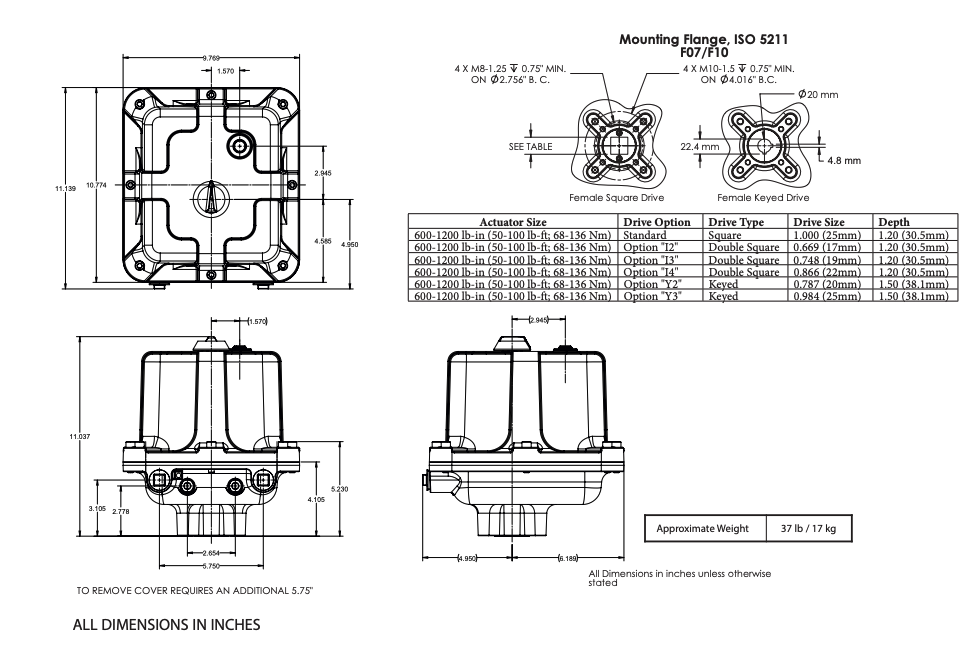
The valve automation sector continues to evolve as manufacturers respond to increasing demands for safety, reliability, and system resilience. A notable recent development is the launch of the Valvcon QB-Series electric actuator, introduced with an integrated mechanical spring return mechanism.
This innovation addresses one of the longstanding limitations of electric actuation: fail-safe operation.
Traditionally, electric actuators are valued for their positioning accuracy, digital integration capability, and ease of installation. However, they have historically lacked the inherent fail-safe functionality found in pneumatic spring return actuators. In many critical applications, this limitation has required additional backup systems such as battery packs or separate fail-safe assemblies.
The Valvcon QB-Series aims to bridge that gap.
Combining Electric Precision with Mechanical Fail-Safe
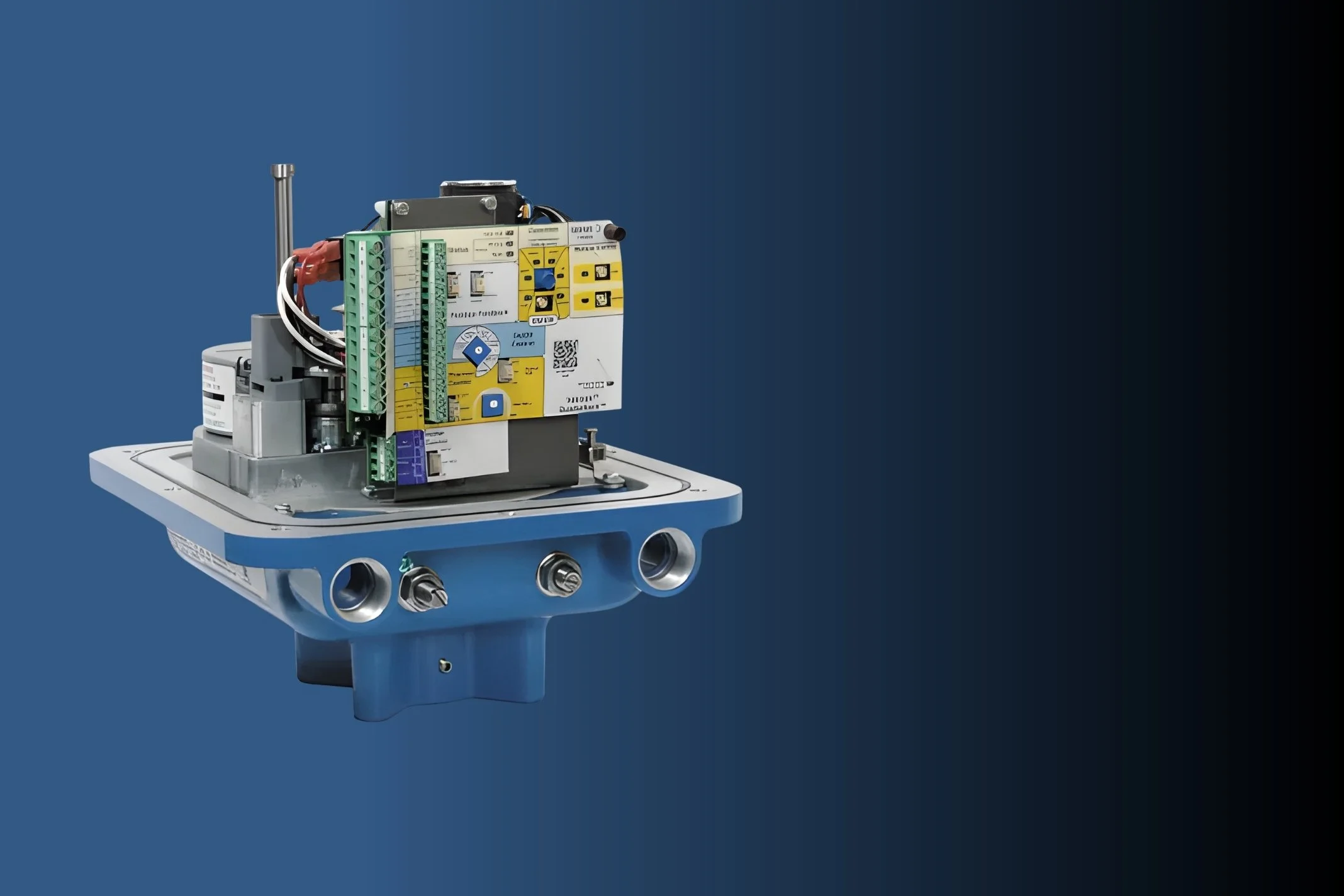
The defining feature of the QB-Series is its integrated mechanical spring return design. In the event of power loss, the actuator automatically drives the valve to a predefined safe position.
Unlike battery-backed systems, this approach does not rely on stored electrical energy. Instead, it uses a purely mechanical system to ensure repositioning.
This reduces dependency on battery maintenance and eliminates the uncertainty associated with battery degradation over time.
For sectors where safety is non-negotiable — including power generation, oil and gas processing, and water infrastructure — automatic fail positioning is a regulatory and operational requirement.
By combining electric control with mechanical fail return, the QB-Series provides a hybrid solution that delivers:
Accurate electric modulation during normal operation
Reliable mechanical repositioning during power failure
This approach merges the strengths of both electric and pneumatic technologies.
Operational & Lifecycle Advantages
Beyond safety, lifecycle considerations are increasingly influencing actuator selection.
Battery-backed fail-safe systems introduce long-term maintenance variables. Batteries degrade, require inspection, and may fail unpredictably if not monitored closely.
A mechanical spring system provides:
Predictable fail-safe performance
Reduced maintenance uncertainty
Elimination of battery replacement cycles
For critical isolation valves that may operate infrequently but must perform reliably during emergencies, this predictability is particularly valuable.
Additionally, electric actuators often integrate more easily into digital control environments. Modern process plants rely on SCADA systems, remote diagnostics, and smart monitoring.
The QB-Series aligns with this trend, supporting digital integration while enhancing safety resilience.
Industry Applications
The introduction of mechanically sprung electric actuators has implications across multiple sectors:
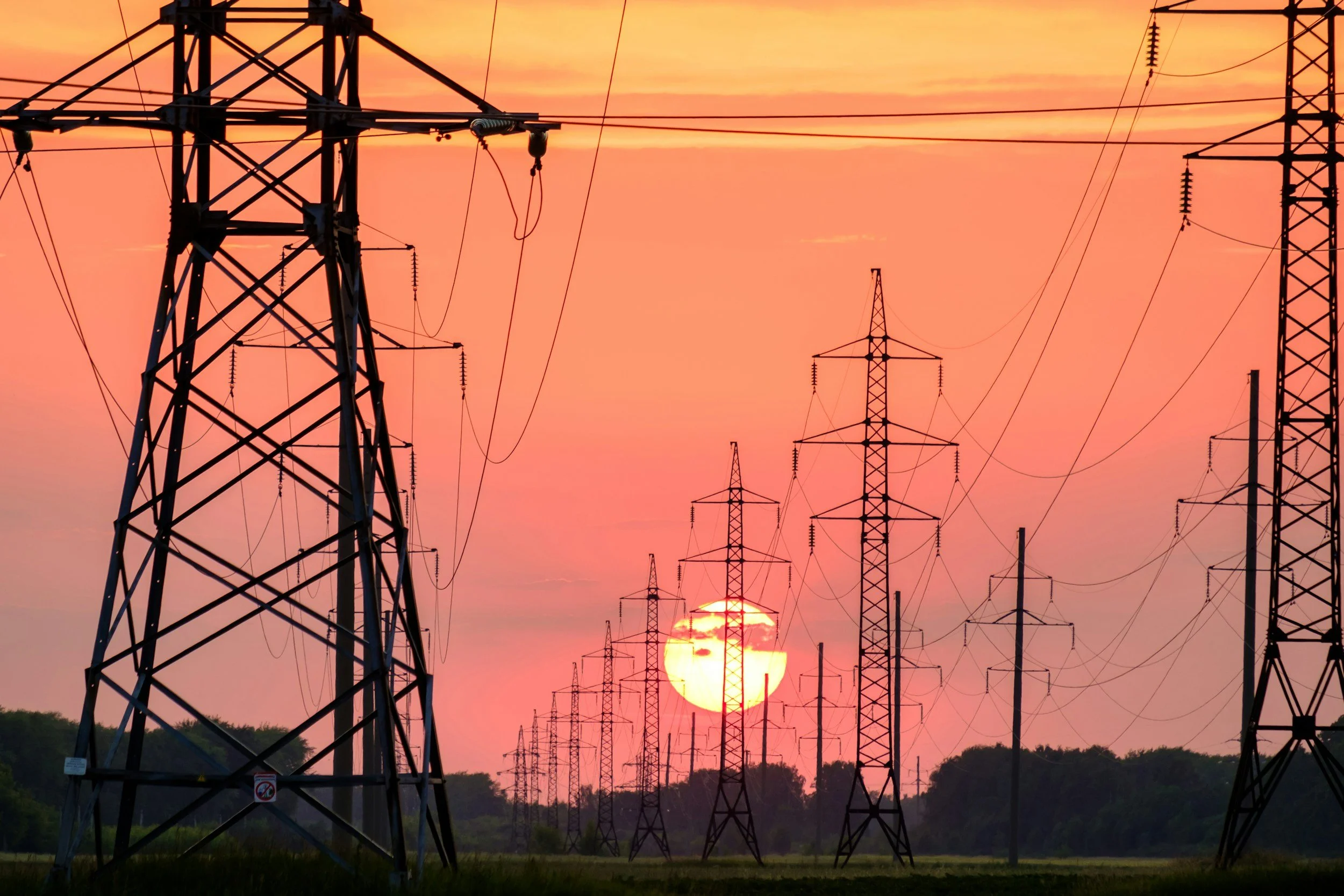
Power generation
Water and wastewater treatment
Petrochemical processing
District heating systems
Industrial manufacturing
In each of these environments, balancing control precision with emergency response capability is essential.
The ability to deliver both from a single actuator platform simplifies specification decisions and reduces the need for mixed technology systems.
Broader Industry Implications
This launch reflects a broader trend within valve automation: the convergence of safety, digitalisation, and system simplification.
Historically, pneumatic actuators dominated applications requiring fail-safe operation. Electric actuators were often selected for precision and ease of integration.
Hybrid solutions such as the QB-Series challenge that traditional division.
By embedding mechanical fail-safe capability directly into an electric actuator platform, manufacturers are responding to modern demands for:
Infrastructure reduction
Increased automation
Enhanced reliability
Improved compliance assurance
The result is a more versatile automation landscape.
Conclusion
The Valvcon QB-Series represents a meaningful development in electric actuator technology.
By integrating mechanical spring return into an electric actuator platform, it combines:
Electric positioning precision
Mechanical fail-safe reliability
Reduced system complexity
Improved lifecycle predictability
As industrial automation continues to evolve, solutions that merge performance with safety resilience are likely to become increasingly prominent.
The future of valve automation may not be purely pneumatic or purely electric — but a considered integration of both.