Rotork Expands GT Pneumatic Actuator Range with Enhanced Safety & Configuration Options
Summary
Expansion of Rotork’s GT pneumatic actuator range with new configuration flexibility
Enhanced safety-focused design improvements for demanding industrial environments
Continued relevance of pneumatic actuation in critical valve automation

Rotork’s GT range has long been recognised within the valve automation sector as a dependable pneumatic actuator platform. Recent updates to the GT series reinforce its position within industries where reliability, torque output, and safety are paramount.
The GT pneumatic actuator is primarily used for quarter-turn valve automation, including ball valves and butterfly valves across energy, oil & gas, and process applications.
The latest expansion focuses on broader configuration options and safety improvements, addressing evolving industrial demands.
Why Pneumatic Actuators Still Matter
Despite the growth of electric actuation, pneumatic actuators remain the dominant choice for many critical service applications.
Key reasons include:
Inherent fail-safe capability through spring return
High torque-to-size ratio
Fast operating speeds
Suitability for hazardous areas
For emergency shutdown valves and high-cycle process systems, pneumatic solutions often provide predictable performance under extreme conditions.
GT Range Enhancements
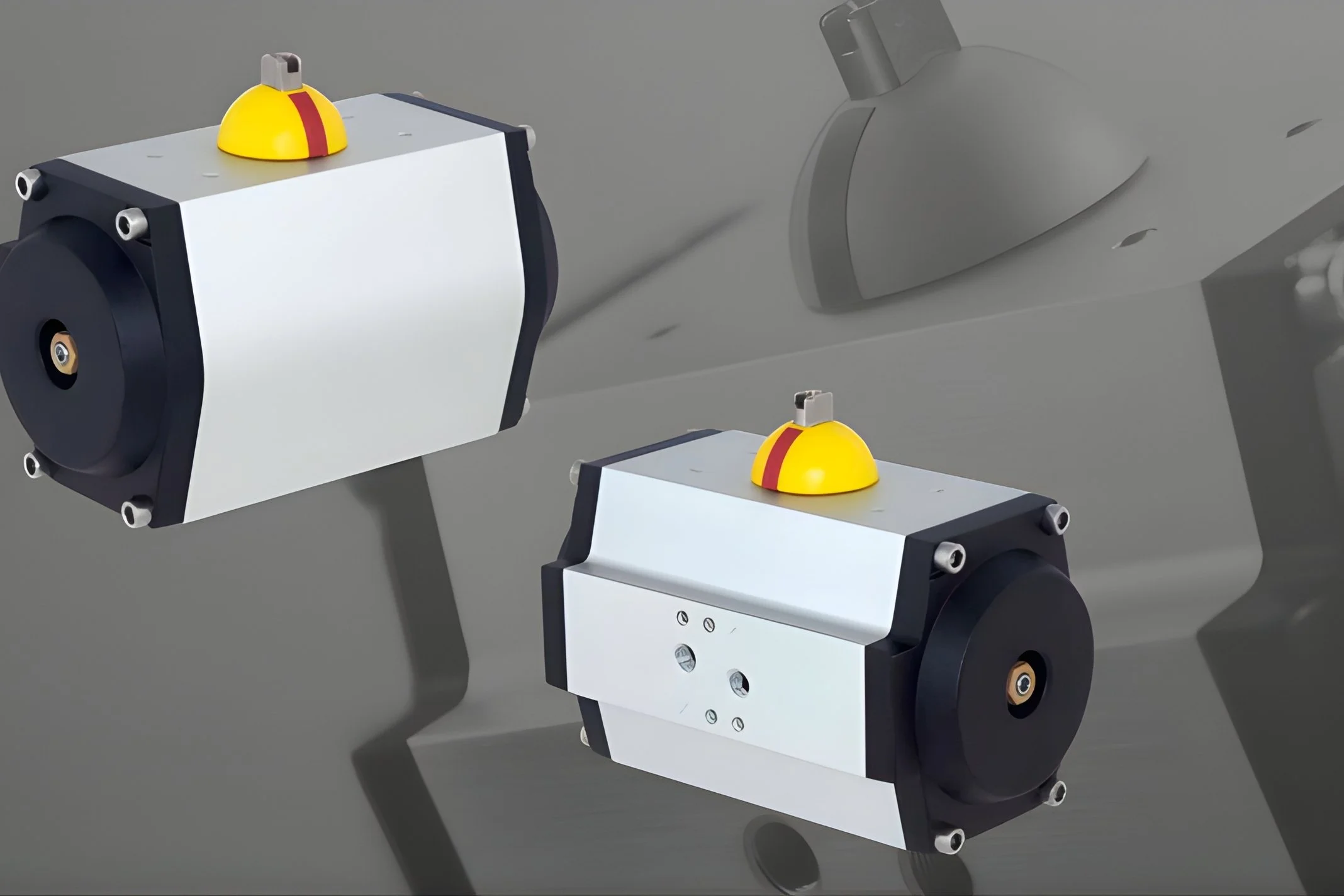
The updated GT series expands available configurations, improving flexibility for engineers specifying valve automation packages.
Enhancements include:
Wider torque output range
Improved sealing systems
Increased corrosion resistance options
Expanded temperature suitability
These improvements make the GT series adaptable across:
Offshore installations
Refining environments
Chemical plants
Power generation facilities
By maintaining a modular design philosophy, Rotork enables easier customisation for project-specific requirements.
Safety & Reliability Focus
A core emphasis of the update is reinforcing fail-safe operation and mechanical durability.
Pneumatic spring return actuators are often specified where loss of air pressure must automatically drive the valve to a safe position. Ensuring consistent spring performance and internal protection against environmental exposure is critical.
The GT enhancements aim to strengthen:
Seal longevity
Environmental resistance
Operational stability
For hazardous environments, actuator reliability is directly linked to plant safety.
Market Context
As automation becomes more digital, pneumatic actuators remain relevant by integrating with smart positioners and control systems.
Rather than being replaced, modern pneumatic platforms are evolving to complement digital monitoring and predictive maintenance strategies.
The expansion of the GT range highlights that traditional actuation technologies continue to adapt alongside smart control systems, maintaining their role within severe service environments.

Conclusion
Rotork’s updates to the GT pneumatic actuator range demonstrate that incremental innovation remains central to industrial automation.
While electric and hybrid technologies advance, pneumatic spring return actuators continue to provide robust, fail-safe solutions for high-risk environments.
The GT series remains a strong example of pneumatic actuation adapted for modern operational demands.