Emerson Innovation in Automation: Driving Sustainability Through Digital Technology

The latest edition of Emerson’s Innovation in Automation Magazine #19 highlights how software, automation, and digital technologies are playing a central role in helping industries meet sustainability targets. As global pressure increases to reduce emissions and improve efficiency, manufacturers and operators are turning to advanced control systems, data-driven insights, and intelligent automation to transform traditional processes.
This issue focuses on key sectors leading the transition, including plastics recycling, renewable energy, battery manufacturing, carbon capture, biofuels, and hydrogen — all supported by smarter automation strategies.
PLASTICS RECYCLING PLANTS ARE ‘BORN DIGITAL’
Modern recycling facilities are being designed with digital infrastructure from the ground up. Rather than retrofitting legacy systems, new plants are integrating automation, monitoring, and data analytics from day one.
This allows operators to track material flow, optimise sorting processes, and improve yield efficiency. Digitalisation enables better decision-making and reduces waste, supporting circular economy goals. In these environments, automation is not an upgrade — it is the foundation of plant design.
OPTIMISING WIND FARM PERFORMANCE WITH ADVANCED CONTROL
Wind energy continues to grow as a key renewable source, but efficiency and reliability remain critical challenges. Emerson highlights how advanced control solutions are improving turbine performance by managing variables such as wind conditions, load balancing, and energy output.
By using predictive analytics and real-time monitoring, operators can reduce downtime and maximise generation capacity. In large-scale wind farms, control systems are essential for maintaining consistent performance across multiple assets.
ENSURING QUALITY IN LITHIUM-ION BATTERY MANUFACTURING
As demand for electric vehicles and energy storage increases, lithium-ion battery production is expanding rapidly. Maintaining consistent quality across high-volume manufacturing processes is a major challenge.
Automation plays a key role in ensuring precision, particularly in areas such as coating, assembly, and material handling. Advanced sensors and control systems help detect variations early, preventing defects and improving product reliability. In this sector, quality control is directly linked to process automation capability.
CARBON CAPTURE AND NET-ZERO TARGETS
Carbon capture technologies are becoming increasingly important in efforts to reduce industrial emissions. However, capturing and storing carbon efficiently requires highly controlled processes.
Emerson’s solutions focus on improving process stability, monitoring emissions, and ensuring safe operation. By integrating automation and analytics, facilities can optimise capture rates and reduce energy consumption. Overcoming these challenges is essential for industries aiming to meet net-zero commitments.
ACCELERATING BIOFUELS PRODUCTION
Biofuels are emerging as a key alternative to traditional fossil fuels, but scaling production efficiently requires advanced process control. Automation helps manage complex chemical processes, ensuring consistent output while minimising waste.
Digital tools also allow operators to monitor feedstock variability and adjust processes in real time. As production increases, automation ensures that biofuels remain both economically viable and environmentally sustainable.
HYDROGEN FUEL DISPENSING: FAST, SAFE, AND RELIABLE
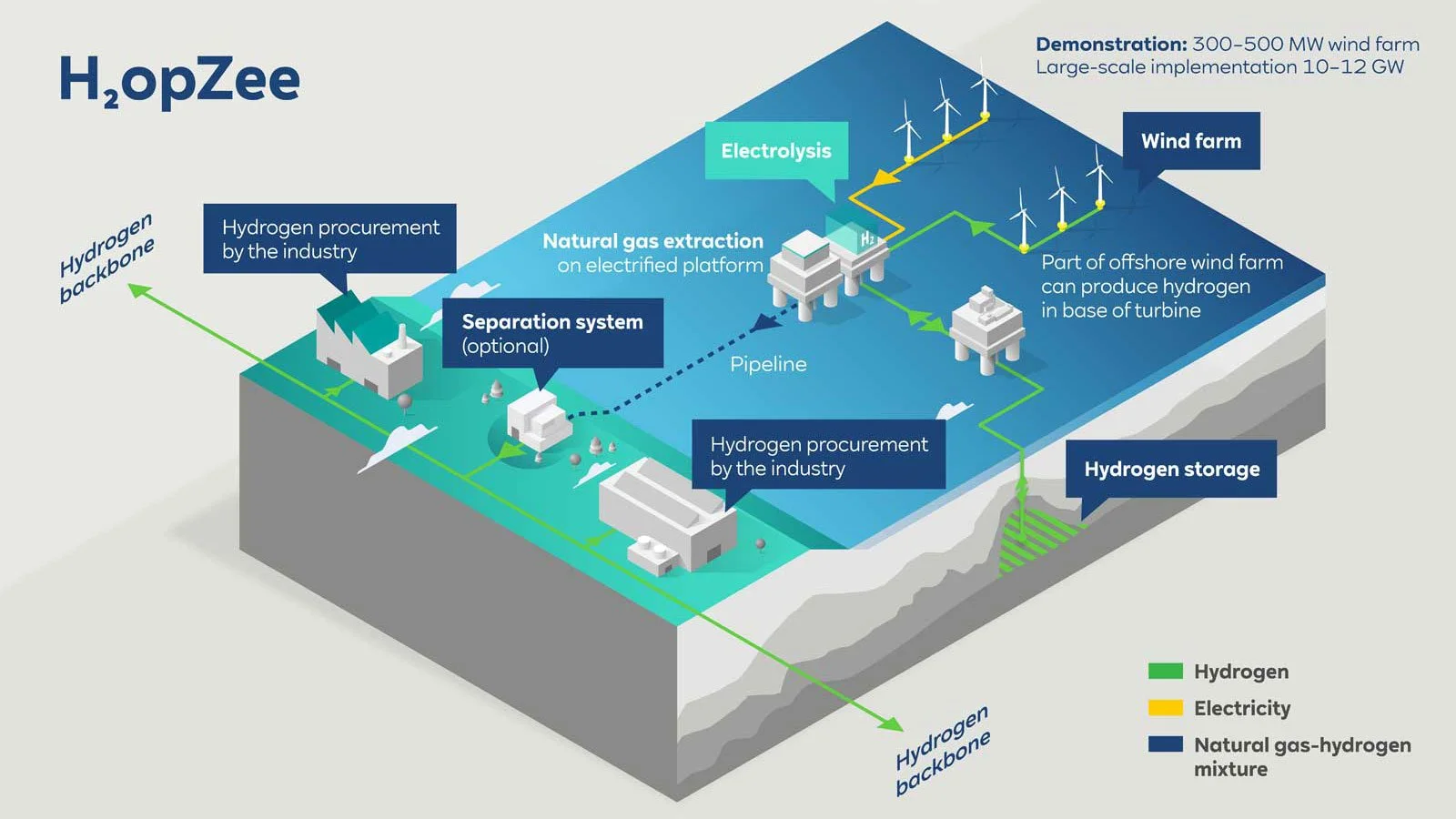
Hydrogen is gaining momentum as a clean energy source, particularly in transport and heavy industry. However, dispensing hydrogen safely and efficiently presents unique challenges due to its properties.
Advanced automation systems are being used to control pressure, temperature, and flow during dispensing, ensuring safe operation and user confidence. Reliability is critical, especially as hydrogen infrastructure expands. In this space, precision control and safety systems are essential for widespread adoption.
Emerson’s Innovation in Automation Magazine #19 demonstrates how digital technology is enabling industries to move toward more sustainable operations. From recycling and renewable energy to hydrogen and carbon capture, automation is at the centre of this transformation.
As industries continue to evolve, the ability to combine data, control, and intelligent systems will define success. Sustainability is no longer a separate goal — it is becoming embedded within the way modern industrial systems are designed and operated.