Rosen Group Introduces Advanced Pipeline Inspection Technology for Weld Integrity
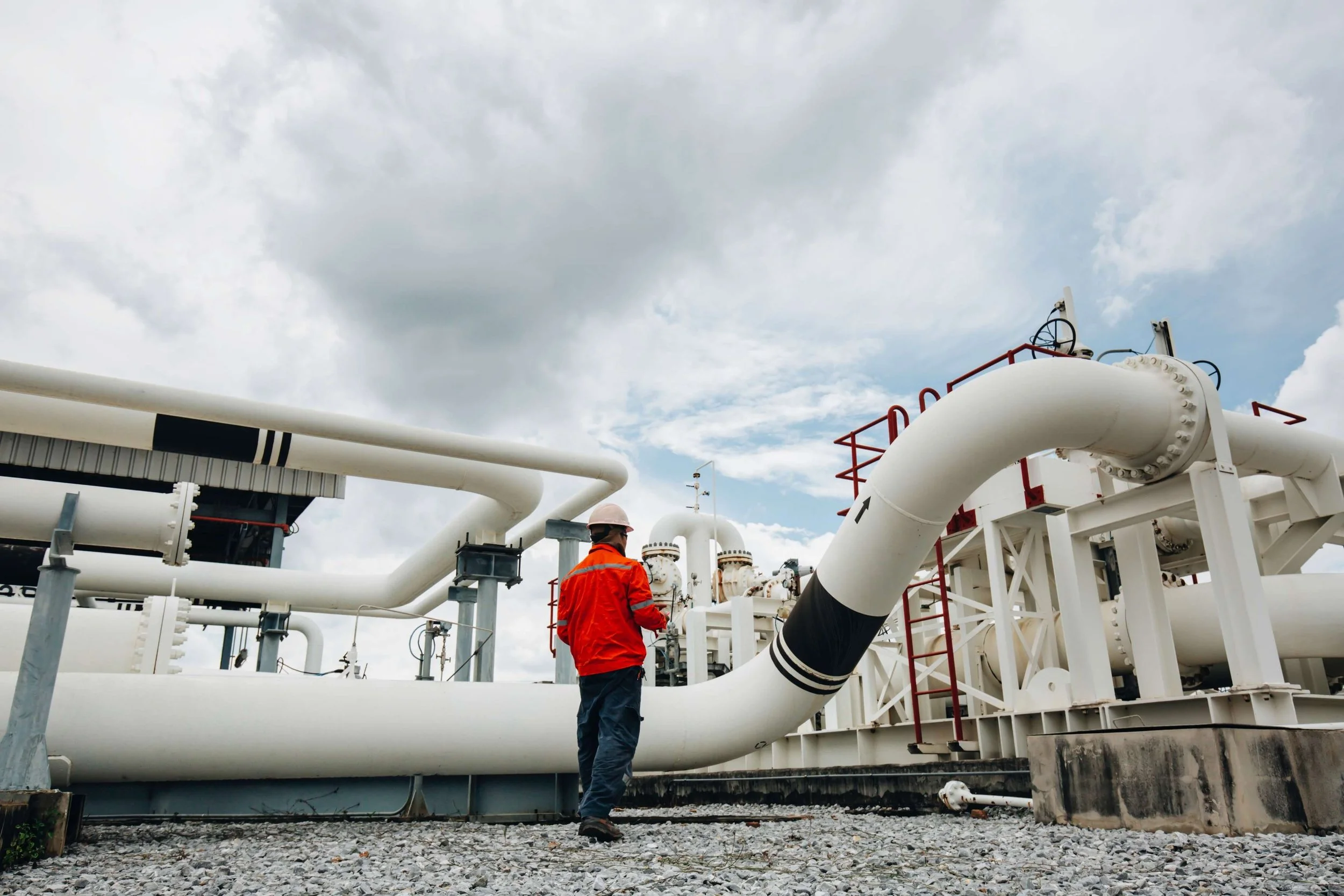
Pipeline integrity remains one of the most critical challenges in oil & gas, energy, and industrial infrastructure. Welds, in particular, represent high-risk points within any pipeline system, where failure can lead to leaks, downtime, and serious safety incidents. In response to growing demand for reliability and compliance, Rosen Group has introduced advanced pipeline inspection technology focused specifically on weld integrity.
As inspection standards tighten and infrastructure ages, this development highlights a broader industry shift toward more precise, data-driven inspection methods that go beyond traditional testing.
WHY WELD INTEGRITY IS CRITICAL IN PIPELINES
Welds are the points where pipeline sections are joined, making them inherently vulnerable to defects such as cracking, lack of fusion, or inclusions. Over time, these imperfections can worsen due to pressure cycling, temperature changes, and corrosive environments.
In high-pressure systems, even minor weld defects can lead to significant failures. That’s why ensuring weld quality is not just a construction concern — it is a long-term operational priority.
Traditional inspection methods such as radiography and ultrasonic testing remain widely used, but they are often limited to initial installation or scheduled maintenance intervals.
ADVANCED INSPECTION TECHNOLOGY: WHAT’S NEW
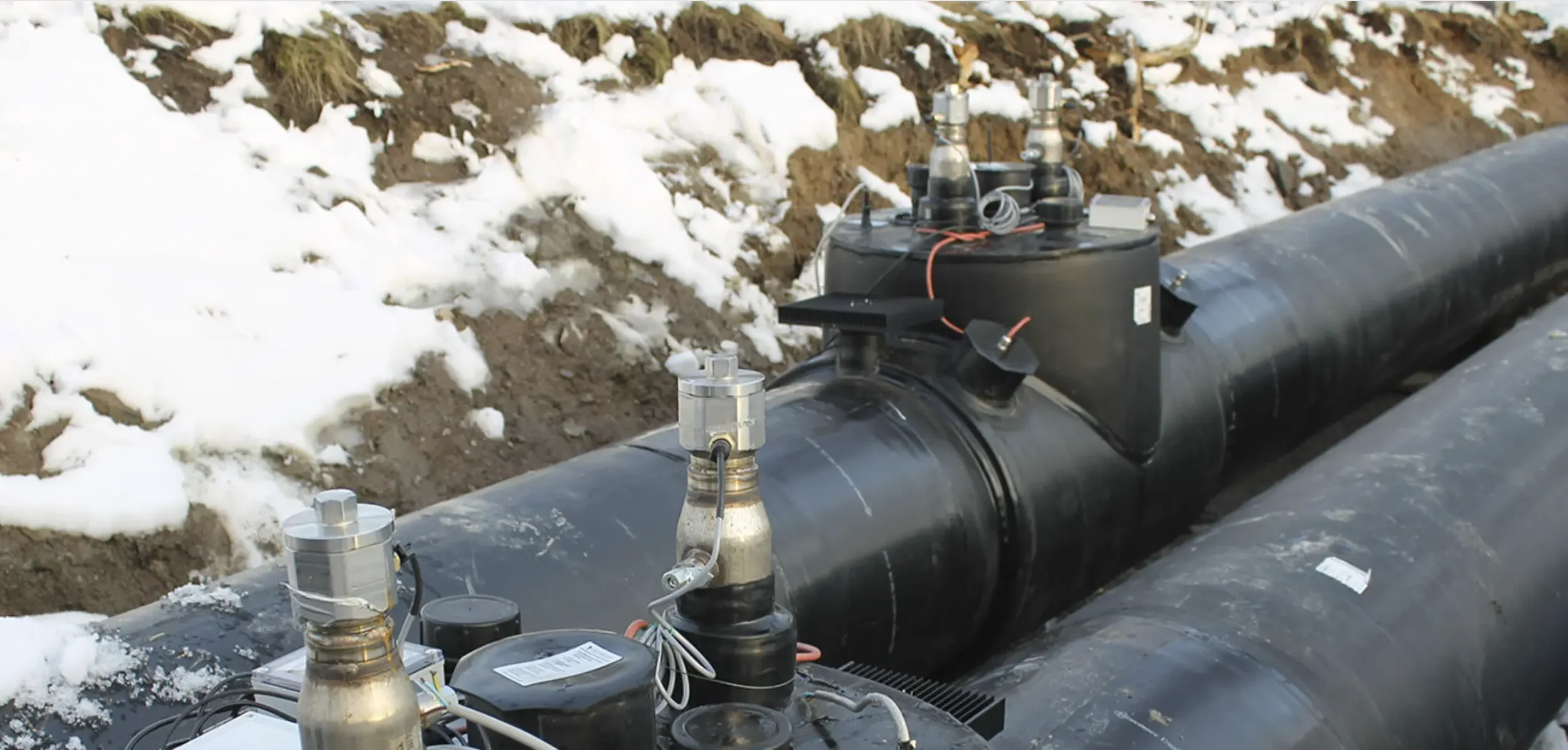
Rosen Group’s latest innovation focuses on enhancing the accuracy and depth of weld inspection within live pipeline systems. By integrating advanced sensing technologies and high-resolution data analysis, the new approach allows for detailed assessment of weld conditions without disrupting operations.
This technology is designed to detect early-stage defects, measure wall thickness variations, and identify potential failure points before they become critical. Improved data resolution enables operators to distinguish between benign anomalies and defects that require intervention.
In modern pipeline management, early detection is the difference between planned maintenance and unexpected failure.
REAL-TIME DATA AND DIGITAL INTEGRATION
A key advantage of next-generation inspection systems is their ability to integrate with digital asset management platforms. Rosen Group’s technology supports the collection and analysis of large volumes of inspection data, which can be used to build a clearer picture of pipeline health over time.
Operators can monitor trends, track defect progression, and prioritise maintenance activities based on actual condition rather than assumptions. This shift toward condition-based monitoring is becoming standard practice across critical infrastructure sectors.
By combining inspection data with predictive analytics, companies can move from reactive maintenance strategies to proactive asset management.
IMPACT ON PIPELINE OPERATORS AND ENGINEERS
For engineers and operators, improved weld inspection technology provides greater confidence in system integrity. It allows for more accurate risk assessments, better planning of maintenance schedules, and enhanced compliance with regulatory requirements.
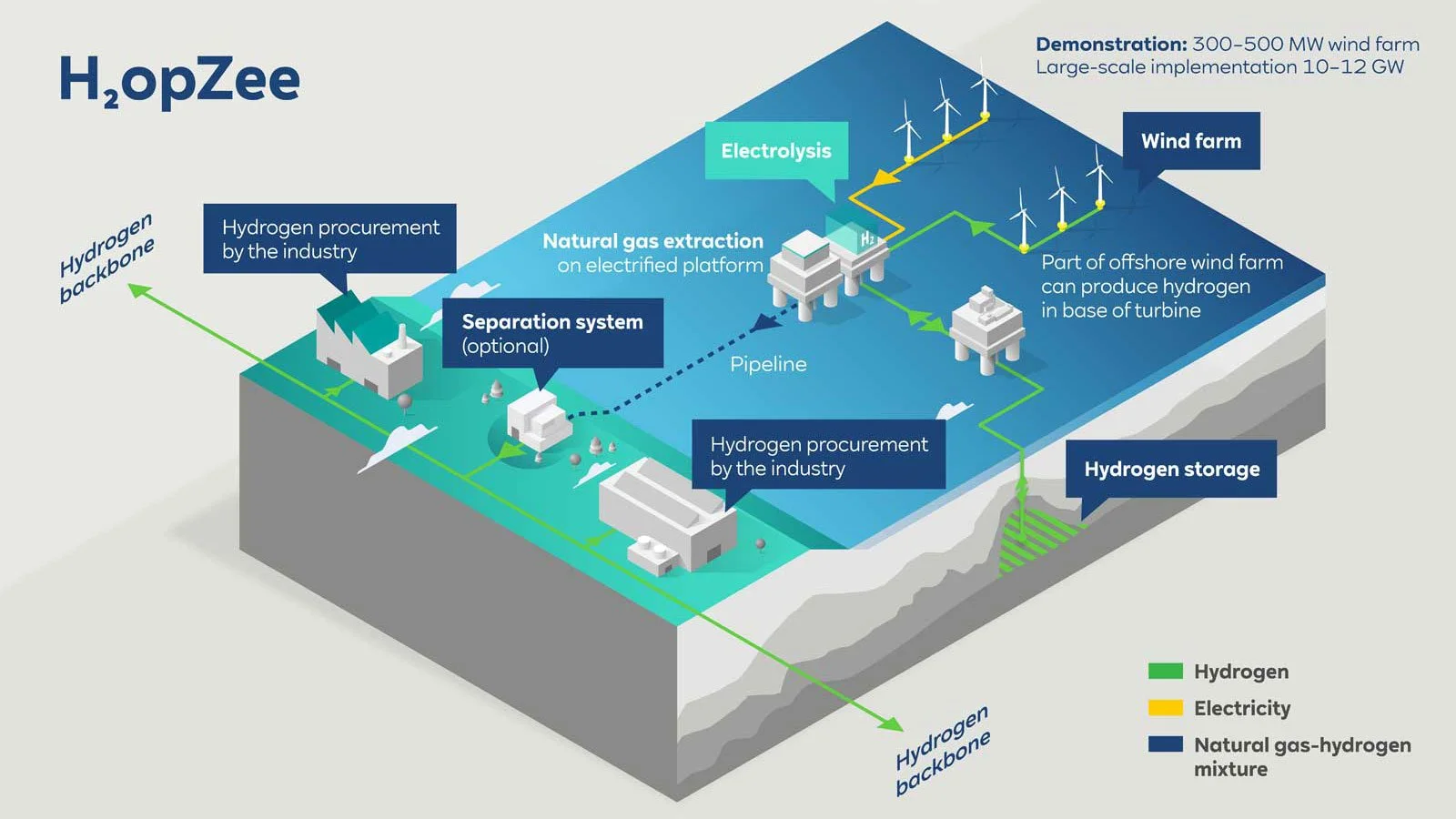
In sectors such as oil & gas, hydrogen transport, and water infrastructure, where pipelines operate under demanding conditions, this level of insight is invaluable. It reduces uncertainty and supports safer, more efficient operation.
As inspection technology advances, data quality is becoming just as important as the inspection itself.
Rosen Group’s introduction of advanced pipeline inspection technology marks another step forward in ensuring weld integrity across critical infrastructure. By improving detection capabilities and enabling real-time data analysis, the industry is moving toward safer, smarter pipeline management.
In 2026 and beyond, maintaining pipeline integrity will rely not only on robust materials and construction methods, but also on the ability to continuously monitor and assess performance. With innovations like this, inspection is evolving from a periodic task into a continuous, intelligence-driven process.