How ANSI/ASME Flange Standards Are Evolving in 2026
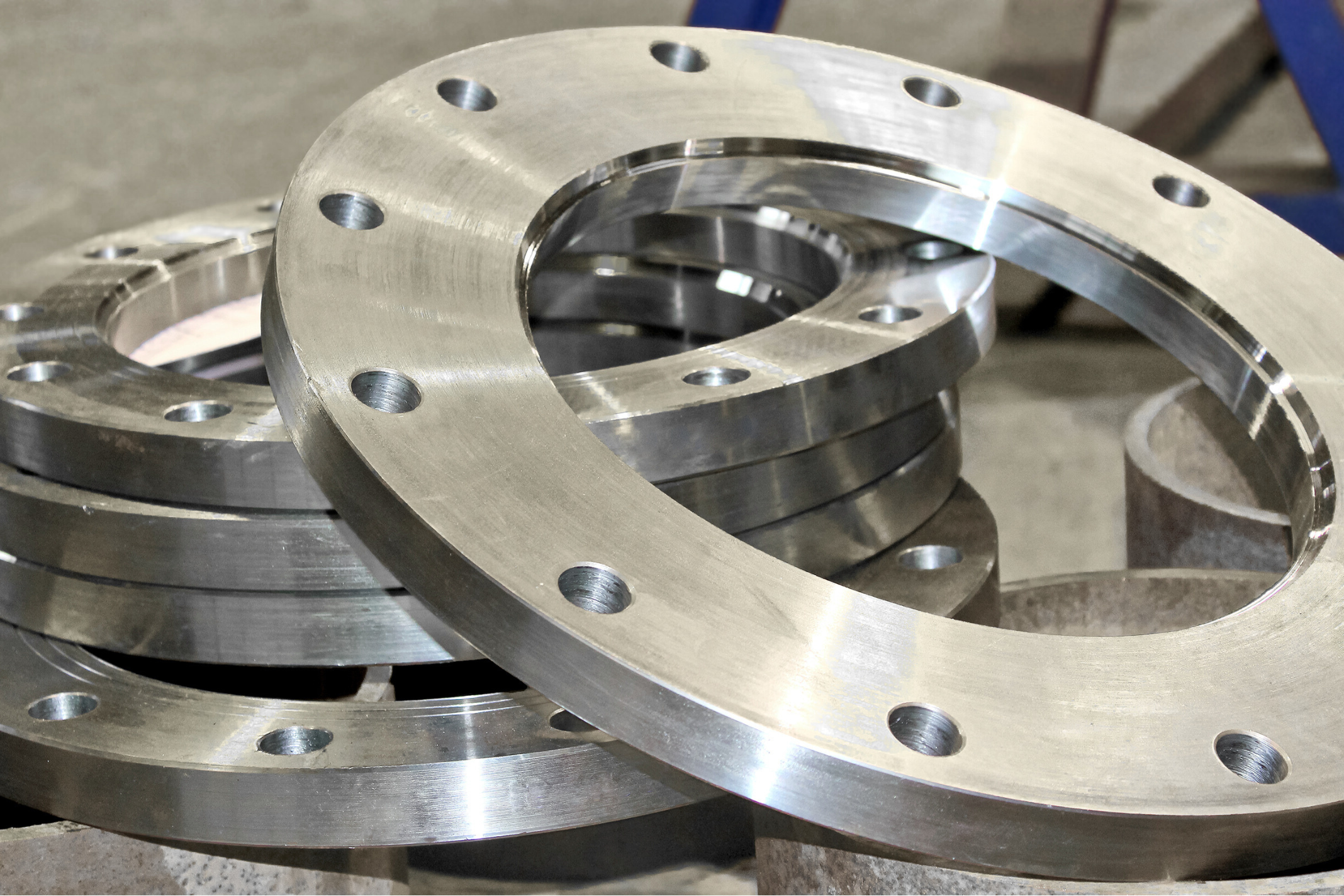
Flanges may look simple, but in industrial piping they are critical pressure-boundary components. Whether in oil & gas, water treatment, power generation, or general process systems, ANSI/ASME flange standards define how systems are rated, connected, and kept safe under pressure.
As we move through 2026, industry discussions around ASME B16.5 and ASME B16.47 are focusing less on basic dimensions and more on interpretation, materials, digital traceability, and global project alignment. This article explores how these standards are evolving in practice — and what engineers and specifiers need to consider today.
ASME B16.5 AND B16.47
ASME B16.5 covers flanges up to NPS 24, while ASME B16.47 addresses larger diameters.
Together, they define:
• Pressure classes (Class 150 through 2500)
• Dimensional tolerances
• Bolt circle diameters and drilling patterns
• Facing types (RF, RTJ, FF)
• Material groupings
These standards remain the global reference point for oil & gas, petrochemical, and high-pressure process systems. What’s evolving isn’t the core geometry — it’s how these standards are being applied across increasingly complex and cross-border projects.
PRESSURE CLASS INTERPRETATION
One of the biggest misunderstandings in flange specification remains pressure class. A Class 300 flange does not simply mean “300 psi.” Pressure classes are tied to material groups and temperature limits, with allowable pressures reducing as temperature increases.
In 2026, there’s stronger emphasis on temperature-pressure tables being reviewed in full rather than assumed.
Engineers are paying closer attention to:
• Material grade (e.g., carbon steel vs stainless steel)
• Maximum operating temperature
• Transient pressure spikes
• Fatigue conditions
In sectors like oil & gas and steam systems, conservative interpretation is becoming standard practice — especially where safety margins are tight.
GLOBAL PROJECT ALIGNMENT: ANSI VS EN PRESSURE SYSTEMS
International projects often involve both ASME and EN (PN) standards. Misalignment between Class ratings and PN ratings can create specification conflicts.
Recent industry discussions highlight the need for:
• Clear cross-referencing between Class and PN systems
• Explicit gasket and bolt specification alignment
• Early-stage engineering checks on compatibility
Water and wastewater projects increasingly reference EN flanges, while energy and petrochemical sectors remain heavily ASME-driven. Engineers working across both need to verify drilling compatibility and pressure-temperature equivalence carefully.
MATERIAL TRACEABILITY AND COMPLIANCE IN 2026
Another key shift is the increasing demand for full material traceability and documentation transparency.
Major operators now require:
• EN 10204 3.1 certification
• Mill test reports linked digitally
• Clear material marking
• Heat number traceability
This is particularly relevant in hydrogen, carbon capture, and LNG infrastructure, where material performance under extreme conditions is critical.
Digital documentation platforms are becoming more common, meaning flange compliance is no longer just physical — it’s data-driven.
SMART INFRASTRUCTURE AND MONITORING TRENDS
While ASME B16.5 and B16.47 themselves remain dimensional standards, the industry around them is modernising.
There is growing adoption of:
• Smart bolting systems
• Torque monitoring technology
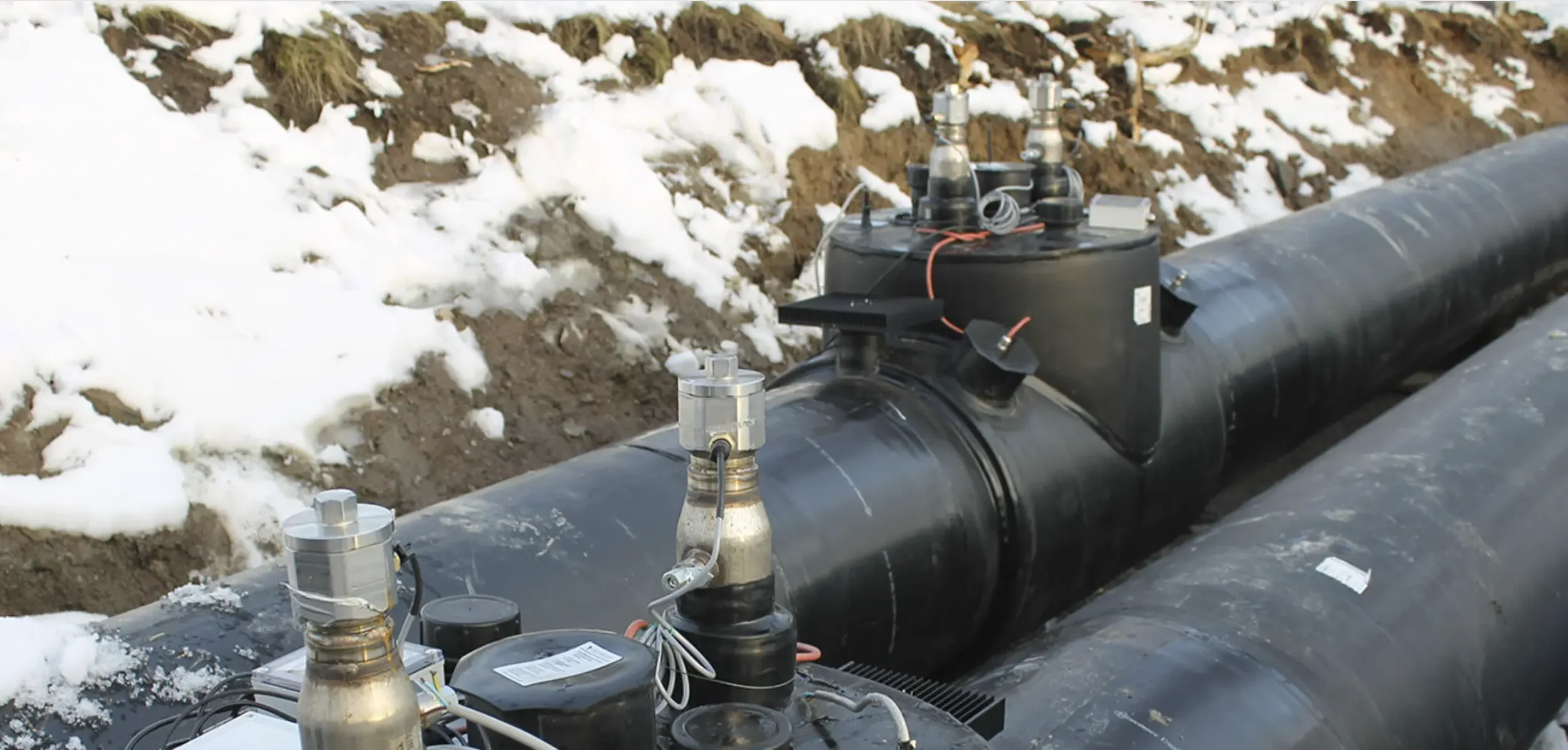
• Flange leak detection sensors
• Predictive maintenance analytics
These developments don’t replace standards — they enhance how flanged joints are installed and monitored, particularly in high-risk facilities.
PRACTICAL SPECIFICATION TIPS FOR ENGINEERS
To align with current 2026 best practice:
• Always verify temperature-pressure ratings against actual operating conditions
• Confirm facing type compatibility (RF vs RTJ mismatch remains common)
• Align bolt material and gasket selection with media and pressure
• Avoid assuming Class to PN equivalence without dimensional checks
• Ensure traceability requirements are clearly stated in RFQs
In modern industrial systems, flange specification is as much about risk management as it is about dimensions.
CONCLUSION
ASME B16.5 and B16.47 remain the backbone of industrial flange design, but their practical application is evolving. Increased scrutiny on pressure interpretation, cross-standard compatibility, and material traceability reflects a broader industry shift toward greater safety, documentation, and lifecycle awareness.
In 2026, flange standards aren’t changing dramatically in structure — but how engineers interpret and apply them certainly is.