
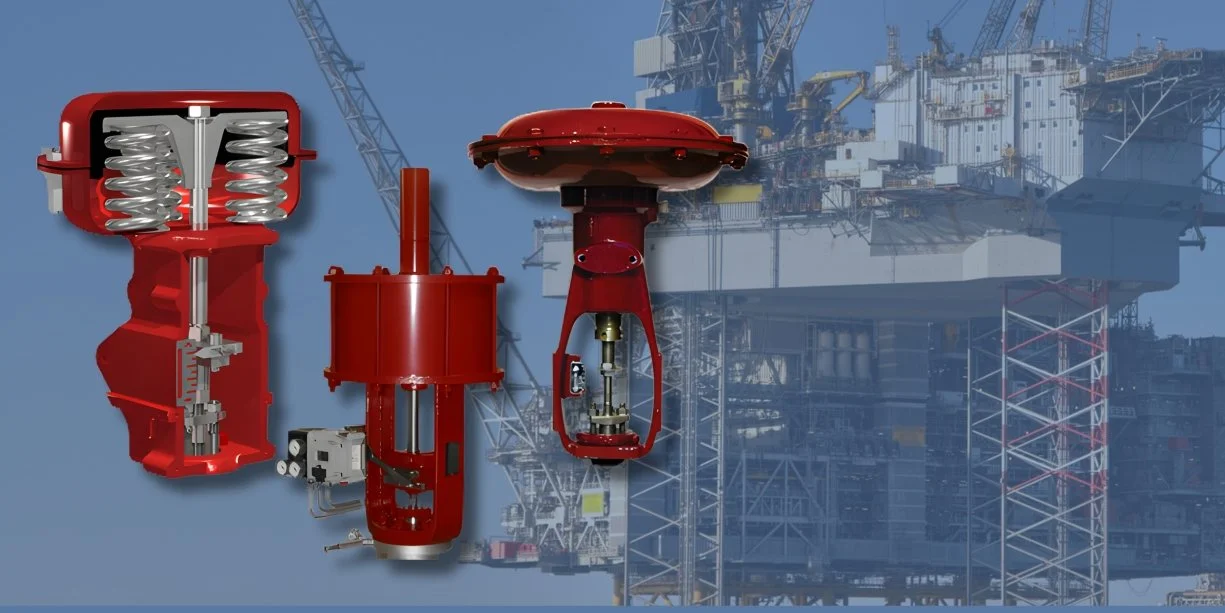
What Is an Actuator? A Complete Beginner’s Guide
An actuator is a device that converts energy into movement to operate valves and other equipment automatically. This beginner’s guide explains what actuators are, how they work, the main types, and why they are essential in modern industrial systems.

Pneumatic vs Electric Actuators Explained
Pneumatic and electric actuators are the two most common methods of valve automation. This guide explains how each works, their key differences, and how to choose the right actuator for your industrial application.

How Valve Actuators Work: From Signal to Movement
Valve actuators convert control signals into mechanical movement, allowing valves to open, close, or position automatically. This guide explains how valve actuators work step by step, from control signal to valve movement and feedback.
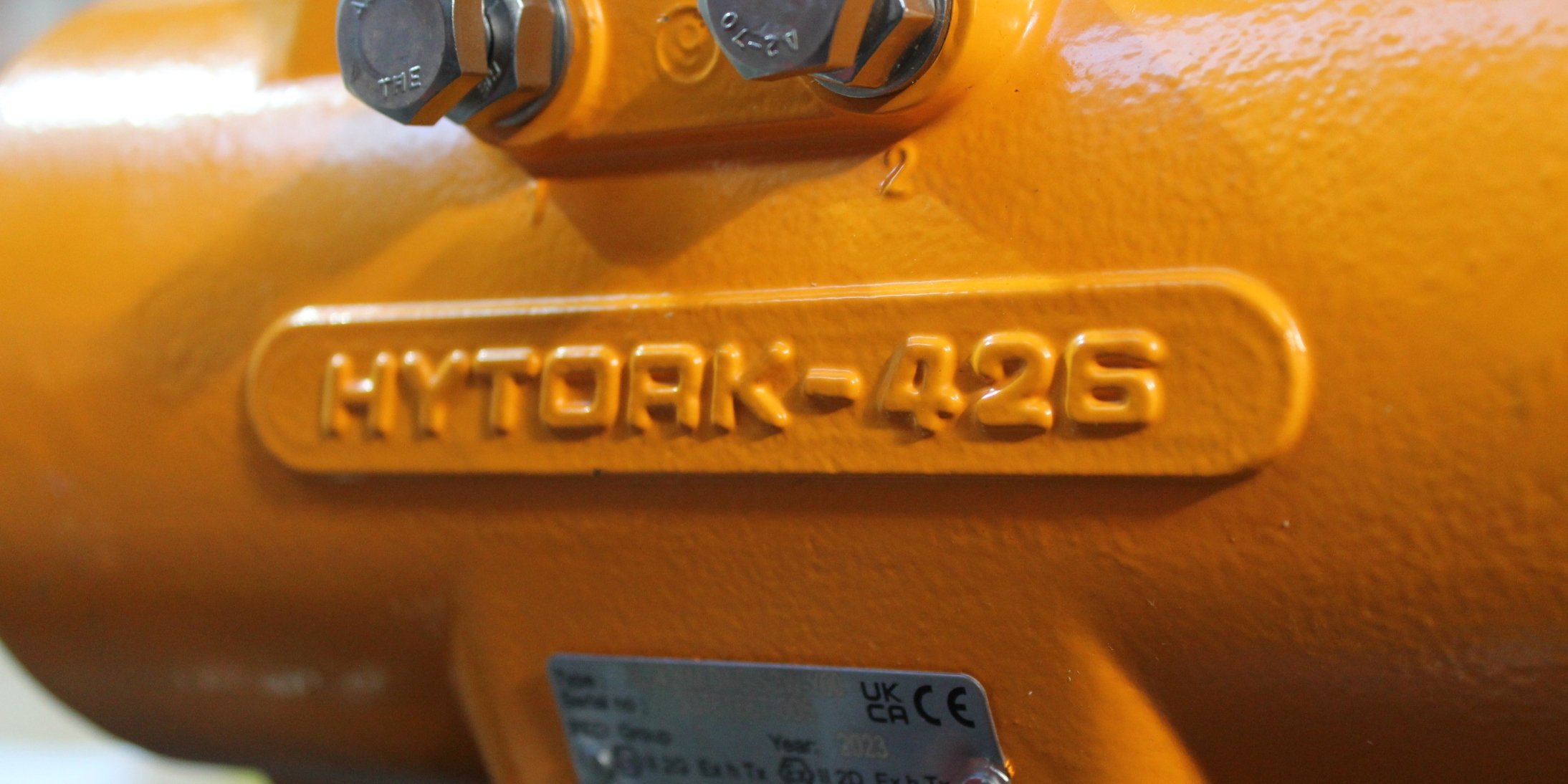
Common Actuator Selection Mistakes (How to Avoid Them)
Selecting the wrong actuator is one of the most common causes of valve automation failure. This guide explores the most frequent actuator selection mistakes — from undersizing to ignoring duty cycles — and explains how to avoid costly downtime and premature wear.
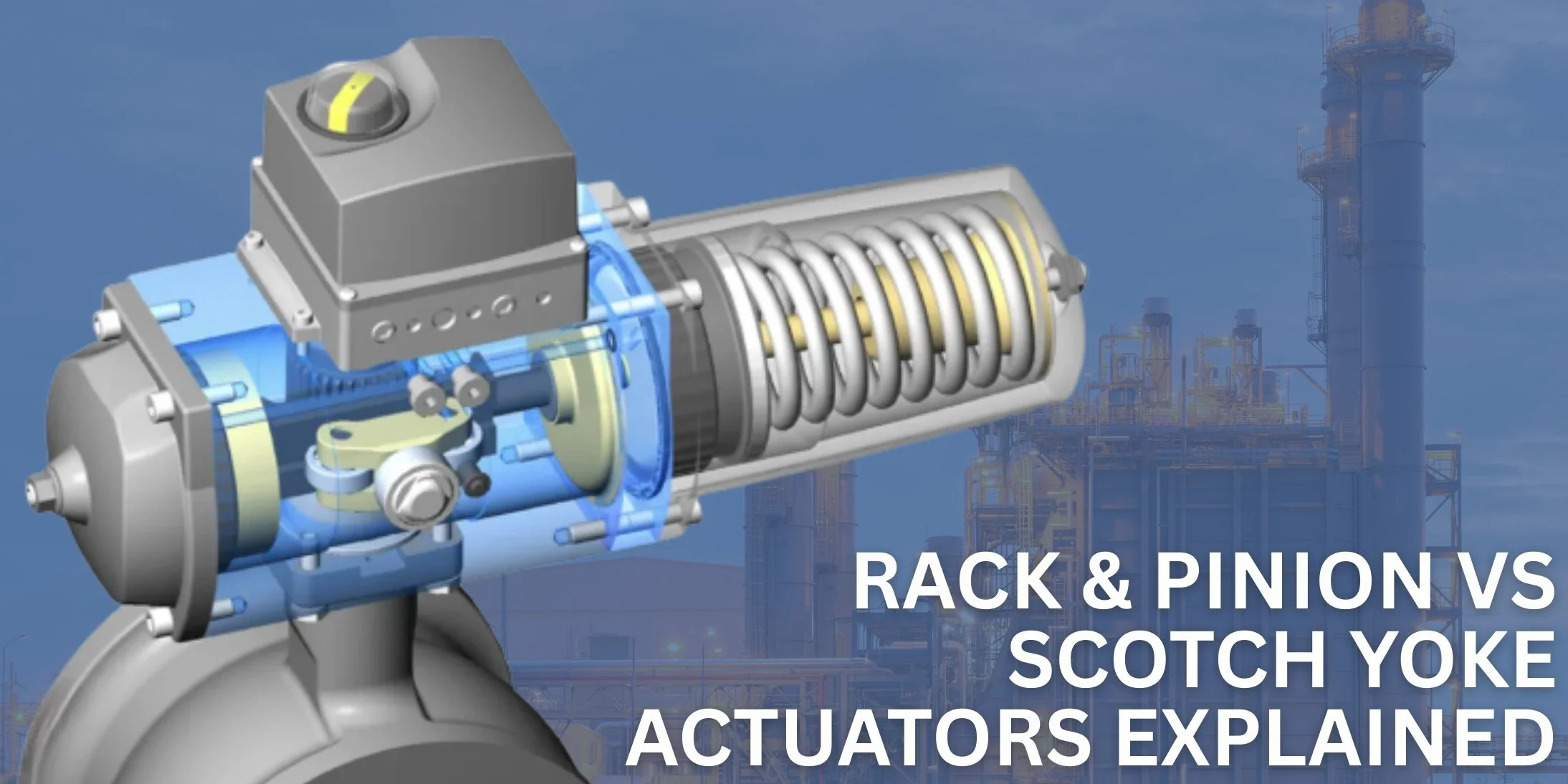
Rack & Pinion vs Scotch Yoke Actuators Explained
Rack & pinion and scotch yoke actuators both automate quarter-turn valves, but their internal mechanisms and torque characteristics are very different. This guide explains how each design works, their advantages, and how to choose the right actuator for your application.